

Jean-David Blanc is a true Renaissance figure of the digital age — a French entrepreneur, angel investor, film producer, writer, and jazz musician whose work helped reshape the way audiences interact with culture. He is best known as the founder of AlloCiné and Molotov, two landmark platforms in cinema information and television streaming, and was recognised in Forbes France’s 2022 ranking as one of France’s favourite entrepreneurs.
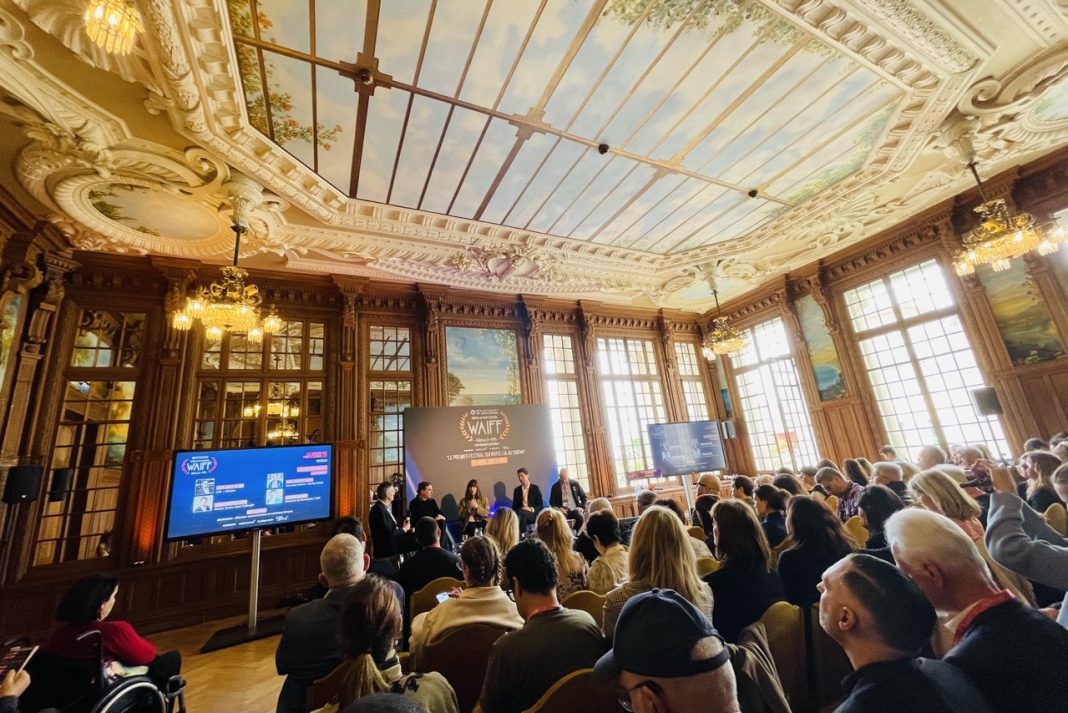
Meeting him during WAIFF (World AI Film Festival) reveals a leader who bridges creativity and technology, and who sees Artificial Intelligence not as a threat but as a tool to expand storytelling itself.
From Cinema Guide to Streaming Pioneer
Jean-David Blanc’s career began early. Born into a family of musicians, he started in technology as a teenager before launching AlloCiné at age 22 — originally a phone service that provided cinema showtimes, later becoming one of France’s most visited film information websites.
By 2010, AlloCiné was generating approximately €25 million in revenue, with most of that coming from advertising — a high point in its commercial life before it was integrated into Webedia.
Molotov — Reinventing Television
In 2016, Blanc co-founded Molotov with industry figures including Pierre Lescure (founder of Canal+) and Jean-Marc Denoual. Their goal was ambitious: to reinvent how television is consumed over the internet without traditional hardware.
To build this vision, Molotov raised substantial investment — about €35 million — from a mix of venture capital and strategic partners, including Sky, Idinvest, and TDF.
Molotov rapidly gained traction: in less than a year, it reached millions of users, and by 2021 it reported about 13 million users, including roughly 250,000 paying subscribers.
That same year, the platform was acquired by the American streaming company fuboTV in a deal valued at approximately €164.3 million — a milestone that confirmed the value of Blanc’s vision on an international scale.
Angel Investment and Vision
Beyond his two major ventures, Jean-David Blanc has been an outspoken angel investor, backing forward-looking companies such as Meetic, Stripe, Square, Coursera, and others. These investments reflect his broader belief that technology should serve meaningful cultural and societal progress, not just market growth.
At WAIFF, Blanc shared his view that Artificial Intelligence will not replace creators, but augment their capacity to imagine and produce — particularly in media, narrative discovery, and personalised audience experiences. He emphasizes that AI should empower independent storytellers while preserving authorship and human intent at the core of cultural work.
Meeting Jean-David Blanc at WAIFF
For VIPs attending WAIFF, encountering Jean-David Blanc is both inspiring and rare. He participates in:
-
industry panels on AI and media innovation
-
private networking sessions
-
roundtables with filmmakers, producers, and investors
These settings offer collectors, creators, and innovators a chance to engage in high-level discussions about the future of content, technology, and the creative economy.
Personal and Cultural Roots
Despite a life that brings him into boardrooms and festivals around the world, Blanc remains grounded in culture. He continues to compose and perform jazz, produce films, and write — a reminder that entrepreneurship, at its best, thrives when it stays rooted in curiosity and creativity.
His personal journey — from a family of musicians to the helm of transformative digital culture platforms — exemplifies the modern creative entrepreneur model: adaptable, interdisciplinary, and globally connected.
Why Jean-David Blanc Matters
Jean-David Blanc stands at a crossroads where technology meets narrative, innovation meets culture. His leadership at Molotov and AlloCiné helped redefine how we watch and interact with media. His investment choices champion future makers. And his embrace of AI underscores a belief that creativity will always be at the heart of innovation.
At WAIFF, his presence underlined a simple truth: the future of storytelling — whether through film, streaming, or AI — belongs to those who see technology as a partner in human imagination.