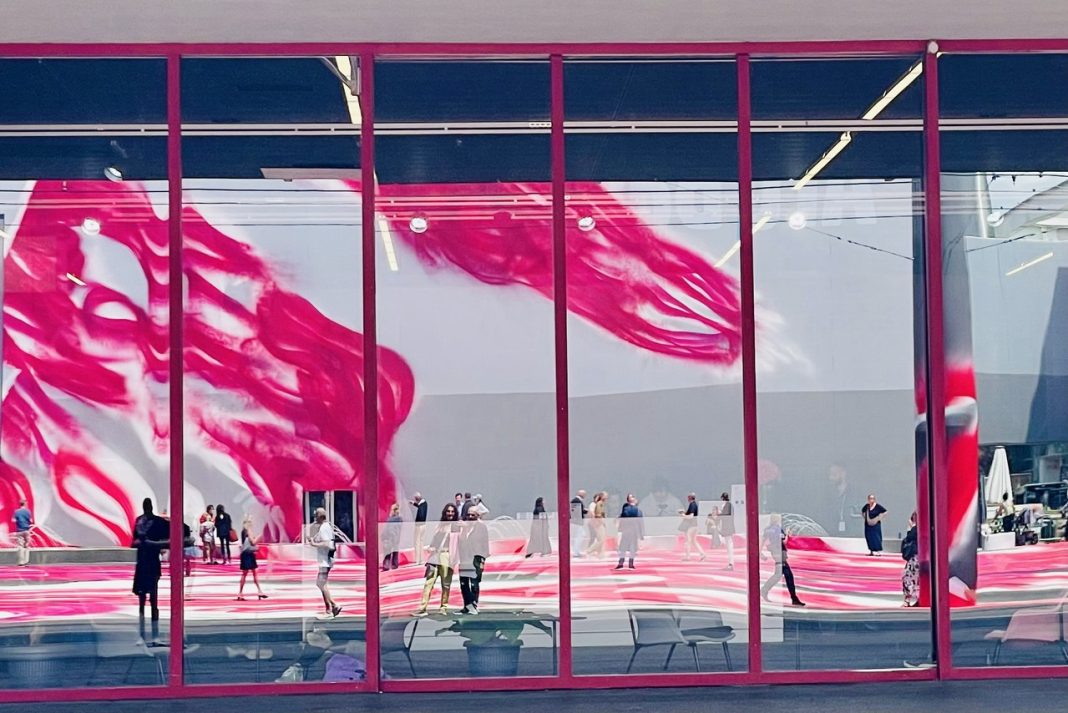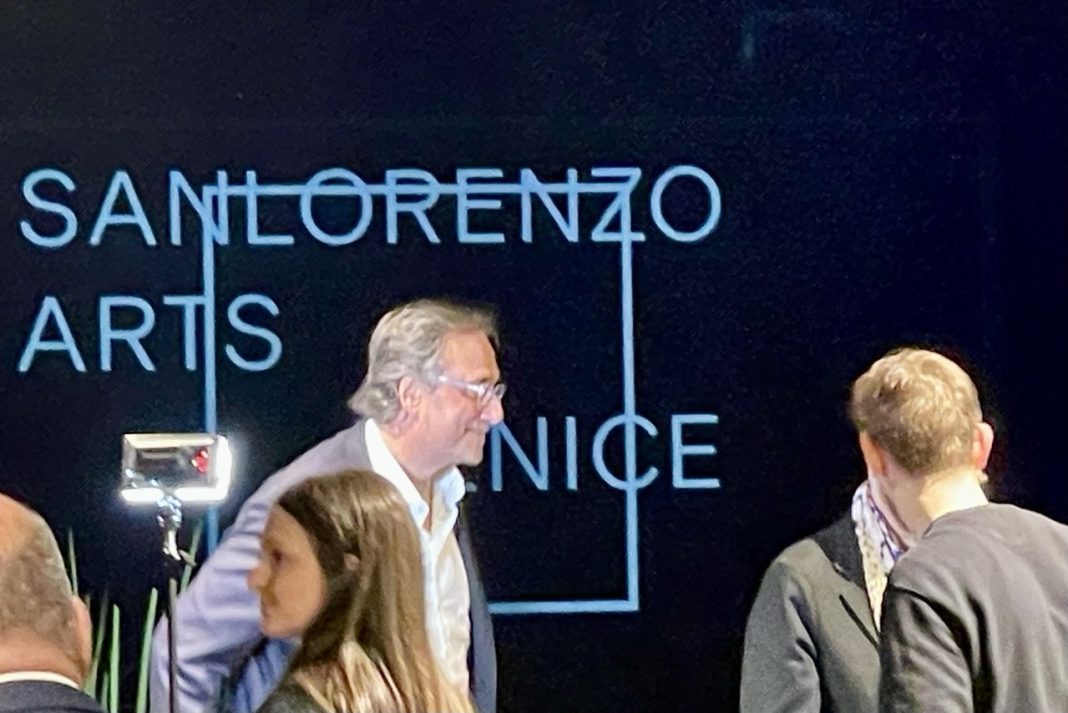


At Art Monte Carlo 2025, the world of high art and high luxury intersected in true Riviera style when Yves Piaget, Chairman of the Swiss luxury jeweller and watchmaker Piaget SA, arrived to unveil Piaget’s latest high‑jewellery collection. Known for its blend of haute joaillerie and fine watchmaking, Piaget has been at the forefront of luxury creation since 1874, and under Yves Piaget’s stewardship the brand continues to make waves with iconic pieces and a bold vision for the future.
We spoke with Yves Piaget about the creative direction behind the new collection, the Maison’s dual heritage in jewellery and watchmaking, and how the brand connects with collectors and connoisseurs today.
Interviewer: Mr Piaget, it’s a pleasure to see you here at Art Monte Carlo. Can you tell us what brings Piaget to this event?
Yves Piaget:
Thank you. Art Mont Carlo is a celebration of creativity, expression and passion — the same values that define Piaget. Our new collection, inspired by both our heritage and contemporary artistic sensibilities, is a perfect companion to this environment. We want collectors and guests to experience our work not just as jewellery or watches, but as wearable art that captures light, emotion and life itself.
Interviewer: Piaget is known for both watches and jewellery. How does the Maison balance these two worlds?
Yves Piaget:
Piaget began as a watchmaking workshop in the Swiss village of La Côte‑aux‑Fées in 1874, devoted to high‑precision movements even before the company name appeared on pieces. Over time, Piaget expanded into luxurious wristwatches and, eventually, high jewellery — naturally, because our craftsmanship and expertise already lived under one roof. Today, watchmaking and jewellery are inseparable for us: a Piaget timepiece is often a jewel, and our high jewellery evokes the precision and finesse of watchmaking.
Interviewer: Tell us about the highlights of the new collection you’re presenting here.
Yves Piaget:
This year, Piaget continues to explore vibrant colour, audacious designs and exceptional craftsmanship. Much like our Altiplano watches — which are renowned for their ultra‑thin calibres and elegance — our jewellery pieces focus on fluid forms, rare gemstones and vivid palettes, bringing a renewed sense of joy and artistic expression.
One highlight is our reinvention of the Piaget Polo, a symbol of relaxed luxury since 1979, now reimagined in high‑jewellery interpretations that combine classic sport spirit with gemstone brilliance. In the watch segment, we have updated versions of the Polo 79 in fine materials like white gold with automatic movements and diamond settings, which have been well received by collectors this year.
Interviewer: The craftsmanship behind Piaget pieces is legendary. What materials and techniques define the Maison today?
Yves Piaget:
Our pieces are made with the finest precious metals — gold and platinum — and set with gemstones selected for clarity, fire and rarity. We maintain our own ateliers for every stage of creation, from lapidary cutting and gemsetting to hand‑finishing. That kind of vertical integration allows us to innovate while ensuring the highest quality. We approach each piece — whether a high‑jewellery necklace or an Altiplano timepiece — as a masterpiece of both art and engineering.
Interviewer: Collectors often ask about price ranges. What can you share about pricing for your collections?
Yves Piaget:
Our offerings span from collectible haute joaillerie to iconic watches. For example, Piaget’s watches range in retail roughly from $12,000 for entry‑level Altiplano and Polo pieces up to six‑figure, high‑jewellery mounted timepiecesdepending on the complexity, metals and gemstones involved. Jewellery items in high‑jewellery fashion can sit around €1 million or more for centerpiece necklaces or elaborate gem‑set collections, reflecting the craft and rarity involved.
Interviewer: Piaget is also known for its cultural presence — who has worn your pieces recently?
Yves Piaget:
Piaget has a long history of being worn by style icons and artists. In the 20th century, figures like Jackie Kennedy, Elizabeth Taylor and Sophia Loren helped establish the Maison’s reputation for glamour and sophistication. Today, international ambassadors such as actor Lee Jun‑ho, Jun Ji‑hyun, Nattawin Wattanagitiphat and Ella Richards have been present at our recent global events, embodying Piaget’s blend of elegance and confidence.
We see celebrities wearing Piaget both on the red carpet and at exclusive events — often custom‑set high jewellery pieces that bridge watchmaking excellence with sculptural jewellery.
Interviewer: What does it mean for Piaget to bring this new collection to an art event like Art Monte Carlo?
Yves Piaget:
Art and jewellery are both expressions of human creativity. By bringing Piaget’s new collection here, we celebrate the shared values of beauty, imagination and artisanal mastery. Art collectors and connoisseurs immediately understand the nuance of our work — much like they understand a great painting or sculpture: it speaks to the senses and to the spirit. That’s why events like this are such fitting places for Piaget.
About Yves Piaget and the Maison
Yves Piaget, born into the founding family, has been deeply involved in the company’s evolution for decades, representing a lineage of Swiss watchmaking and jewellery tradition that dates back to its founding in 1874 by Georges‑Édouard Piaget. Under his presidency and now as Chairman, Piaget has maintained its reputation for ultra‑thin movements, bold designs and vibrant gemstone work. The Maison became internationally known for integrating ornamental stones into watches and jewellery, a practice that contributed to its recognition by style icons throughout history.
Today, Piaget is part of the Richemont group and continues to operate its own manufactures in Switzerland, preserving craftsmanship across generations.
The Future of Piaget
As the luxury world evolves, Yves Piaget emphasizes that authenticity, mastery and artistic creativity remain at the heart of the brand. Whether through high‑jewellery creations, avant‑garde timepieces or cultural collaborations, Piaget aims to uphold its heritage while inspiring new collectors and lovers of fine art and luxury craftsmanship.