
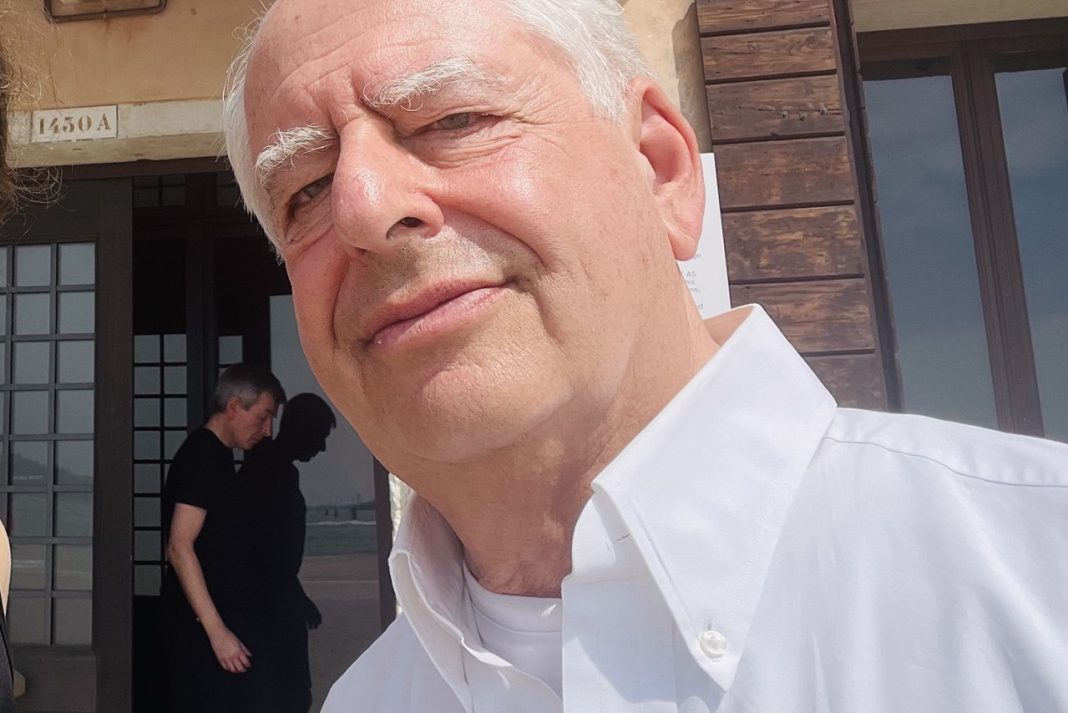
William Kentridge does not rush. Neither his drawings nor his thoughts seek immediacy. Instead, they unfold — layered, erased, redrawn — much like history itself. The iconic South African artist, celebrated worldwide for his drawings, prints, animated films, and operatic installations, arrived at the Venice Art Biennale 2024 not as a newcomer to the global stage, but as a figure whose work has shaped contemporary art for decades.
To encounter Kentridge in Venice is to experience an artist deeply attuned to place, memory, and the weight of human narratives.
City for VIP: William, drawing has always been at the center of your practice. Why does it remain so essential?
William Kentridge:
Drawing is a way of thinking. It allows for uncertainty. When you erase, you leave traces — and those traces are important. They remind us that ideas change, histories are revised, and nothing is ever final.
I don’t see drawing as preparation for something else. It is the work.
From Johannesburg to the World
Born in Johannesburg in 1955, Kentridge’s artistic language emerged from the political and social realities of South Africa, particularly during and after apartheid. His charcoal drawings, often animated through stop-motion film, explore power, displacement, memory, and moral ambiguity — themes that resonate far beyond their origins.
Over time, his practice expanded to include sculpture, theatre, opera, and large-scale installations, yet drawing remains the spine of his work — fragile, human, and insistently present.
Venice Art Biennale 2024 — An Artist in Dialogue with History
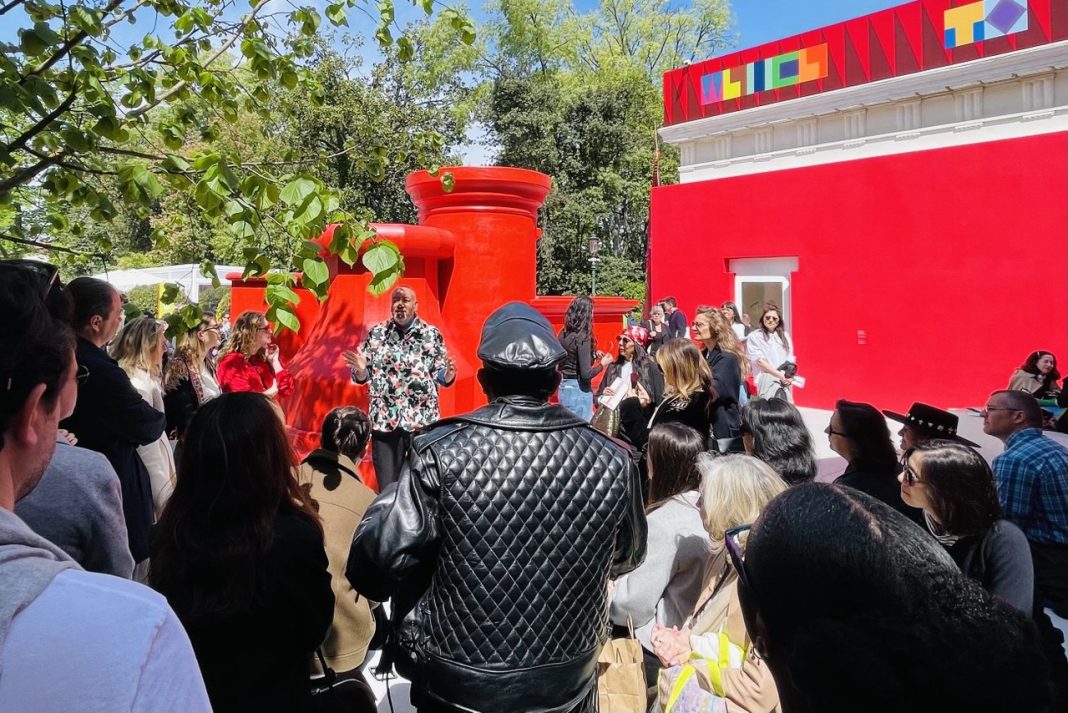
During the invitation-only preview days of the Venice Art Biennale 2024, Kentridge was present among a select circle of artists, curators, museum directors, collectors, and cultural leaders. Venice, with its palimpsest of histories and contradictions, offered a fitting backdrop for conversations his work has long engaged with.
Whether encountered in quiet pavilion walk-throughs, private discussions, or opening receptions, Kentridge’s presence felt contemplative rather than performative — attentive to dialogue rather than spectacle.
City for VIP: Venice is a city shaped by memory. Does it change how your work is seen?
William Kentridge:
Venice carries its past very visibly. There is no illusion of permanence here — buildings sink, paint peels, water rises. That fragility mirrors something I often think about in my work: how cultures construct monuments to stability while knowing, somewhere underneath, that they are temporary.
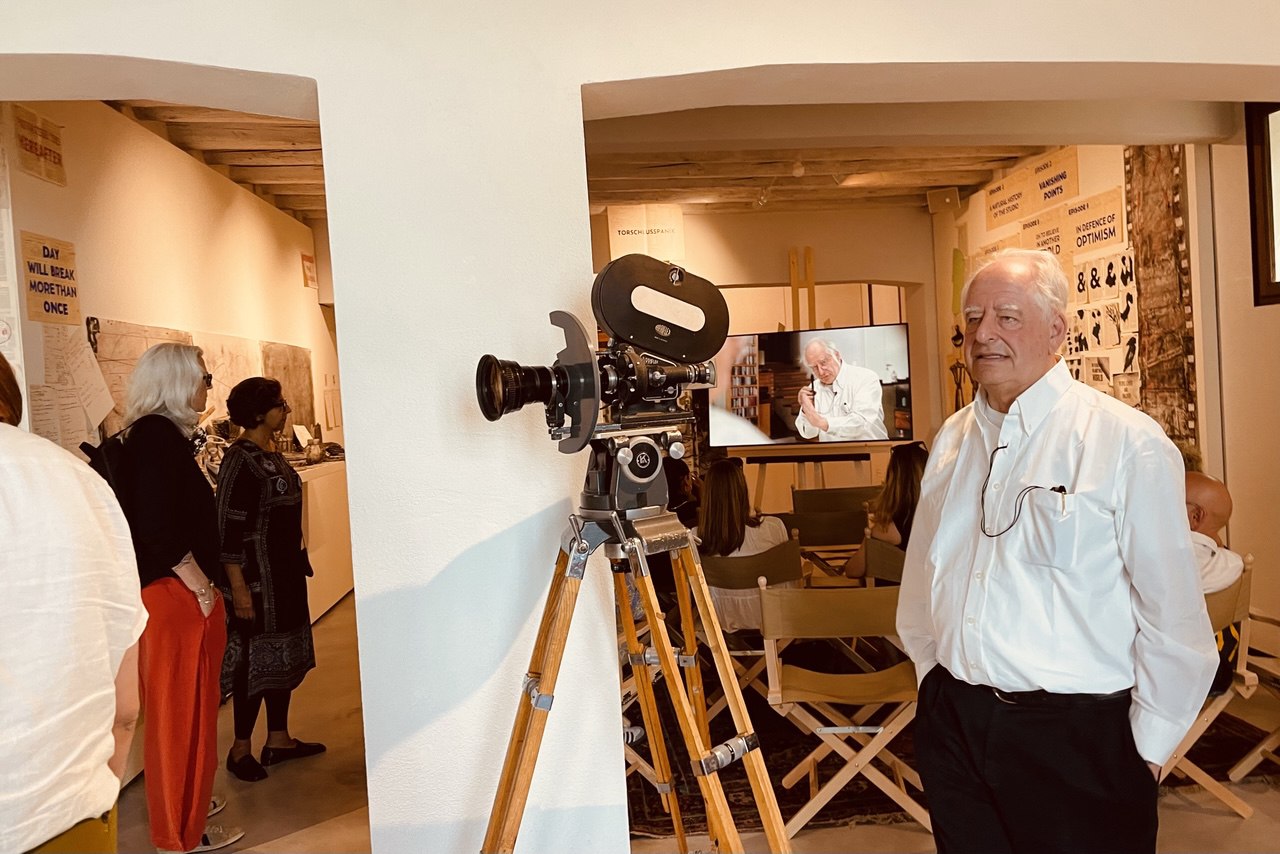
Showing work in Venice heightens that awareness.
Meeting William Kentridge — Biennale and Solo Exhibitions
For collectors and art professionals, meeting William Kentridge typically occurs in structured cultural contexts rather than informal settings. During the Venice Biennale, these moments often include:
-
Preview days and invitation-only openings, where artists engage with curators and patrons
-
Walkthroughs and talks connected to exhibitions or institutional presentations
-
Private receptions hosted by museums, foundations, or long-standing supporters
Similarly, during solo exhibitions at major museums and institutions, Kentridge often participates in public conversations, lectures, and opening events, offering audiences rare insight into his working process and intellectual framework.
These encounters reflect his approach to art itself: measured, thoughtful, and deeply engaged with ideas.
City for VIP: Your work spans film, theatre, opera, and installation. How do these forms connect?
William Kentridge:
They all involve time. Drawing captures time through change; film extends it; theatre embodies it. I’m interested in how meaning shifts as time passes — how something drawn in one moment can speak differently later.
There is no hierarchy of mediums for me. They are simply different ways of thinking aloud.
An Artist of Our Collective Conscience
In Venice in 2024, amid the scale and noise of a global biennale, Kentridge’s work — and his presence — offered something quieter but enduring: a reminder that art does not need to shout to be urgent.
His drawings continue to question authority, memory, and moral certainty, not through answers, but through insistence on complexity.
Editor’s Note
William Kentridge remains one of the most influential artists of our time — not because he simplifies the world, but because he refuses to. Encountering him during the Venice Art Biennale 2024 or at a solo exhibition is less about celebrity and more about conversation: with history, with doubt, and with the fragile marks we leave behind.
In a city built on layers of time, his work feels profoundly at home.