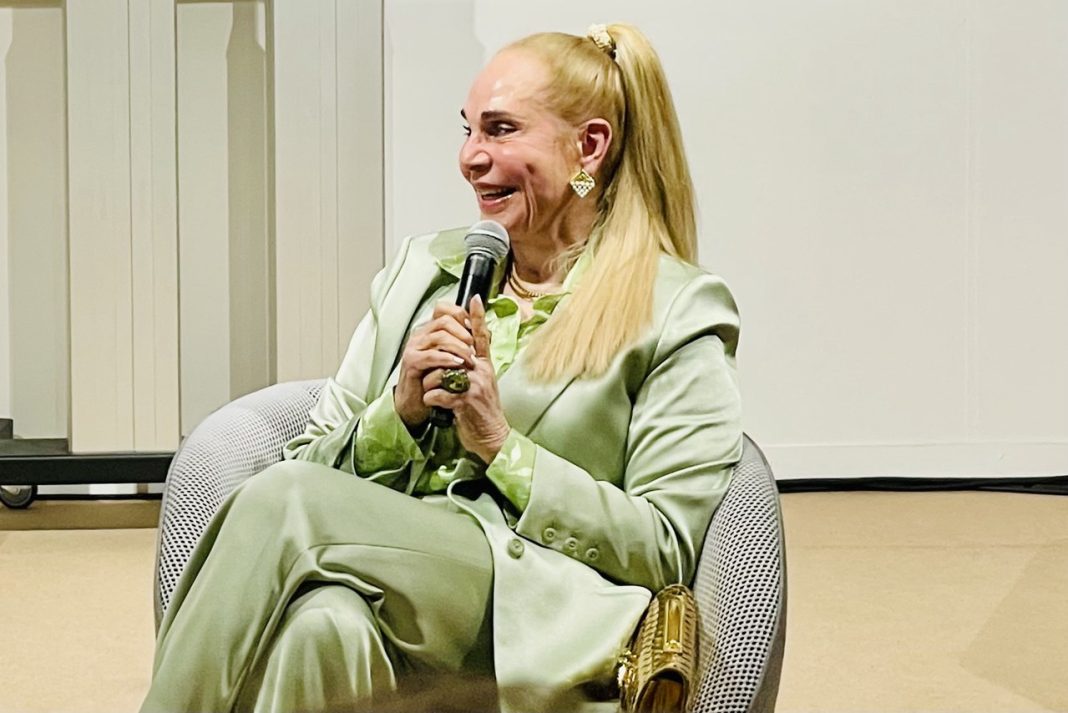


Amid the historic canals of Venice, Victoria Miro Gallery hosted an invitation-only VIP opening for Sarah Sze, the American artist and Professor of Visual Arts at Columbia University, whose installations have redefined how we perceive technology, memory, and everyday materials.
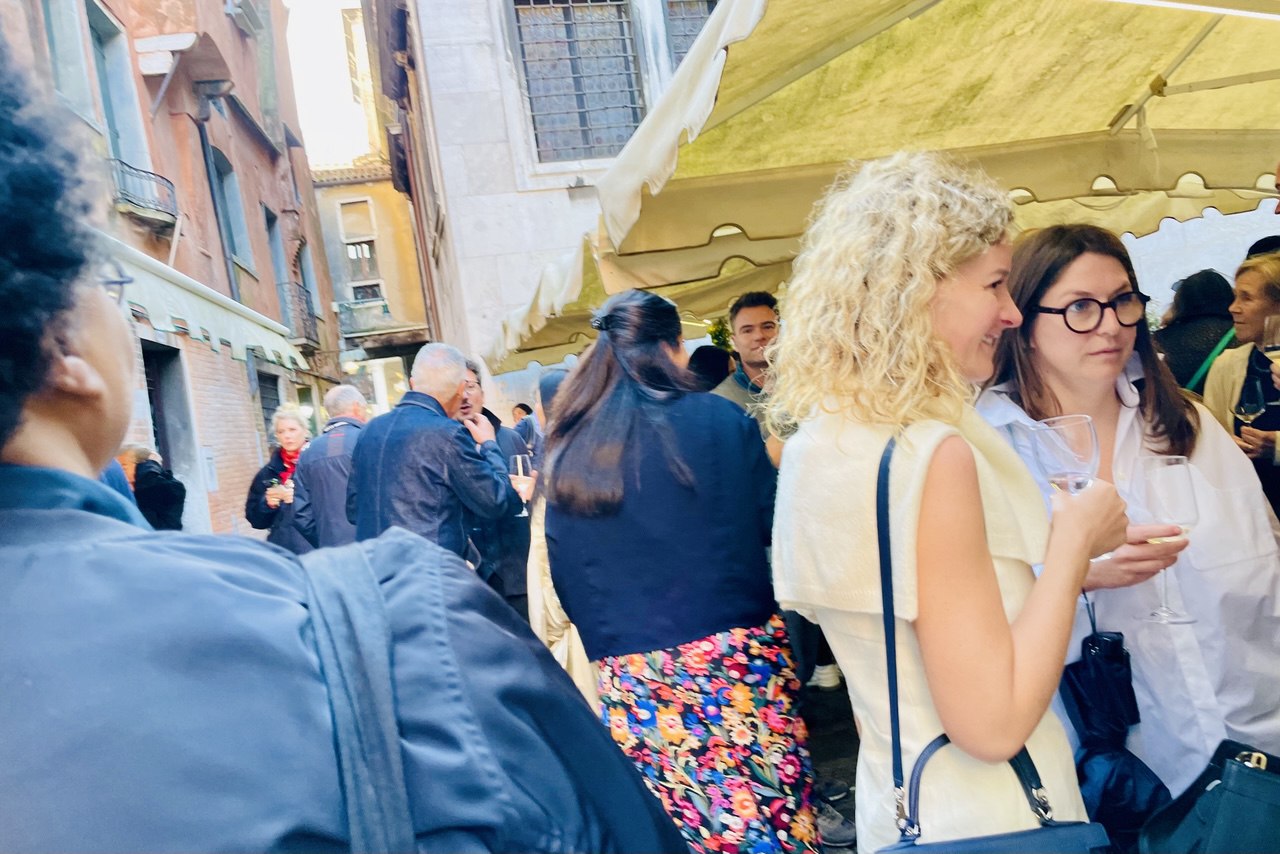
The event attracted a constellation of collectors, curators, museum directors, and art professionals, all drawn to Sze’s intricate, layered practice — a practice that transforms simple objects into networks of meaning.
City for VIP: Sarah, your work often uses everyday materials to explore memory and technology. How does Venice inspire your latest exhibition?
Sarah Sze:
Venice is itself a layered place — architecture, history, water, and light all interacting. My work is about how small fragments create complex systems, and Venice amplifies that. The city almost dictates scale and rhythm; its canals and palaces become part of the installation’s dialogue.
City for VIP: The VIP opening brought together many high-profile collectors and art professionals. How do you experience these events?
Sarah Sze:
I see VIP openings as moments of exchange. Collectors and professionals approach the work from different angles — some focus on the visual or conceptual aspects, others on institutional or market relevance. It’s an opportunity to discuss the ideas behind the work, and to hear how people connect with it.
The lounge and gallery spaces are curated to allow conversation while experiencing the installation — champagne flows gently, discussions circle around objects and ideas, and the energy is both celebratory and intellectually charged.
City for VIP: Can you share your perspective on the art market?
Sarah Sze:
The market is complex. Collectors today are highly informed; they think about provenance, exhibition history, and long-term significance. My pieces range significantly in scale and value. Smaller works on paper or smaller assemblages can start around $80,000–$150,000, while large-scale installations — particularly site-specific or museum-commissioned works — can range from $500,000 to several million dollars.
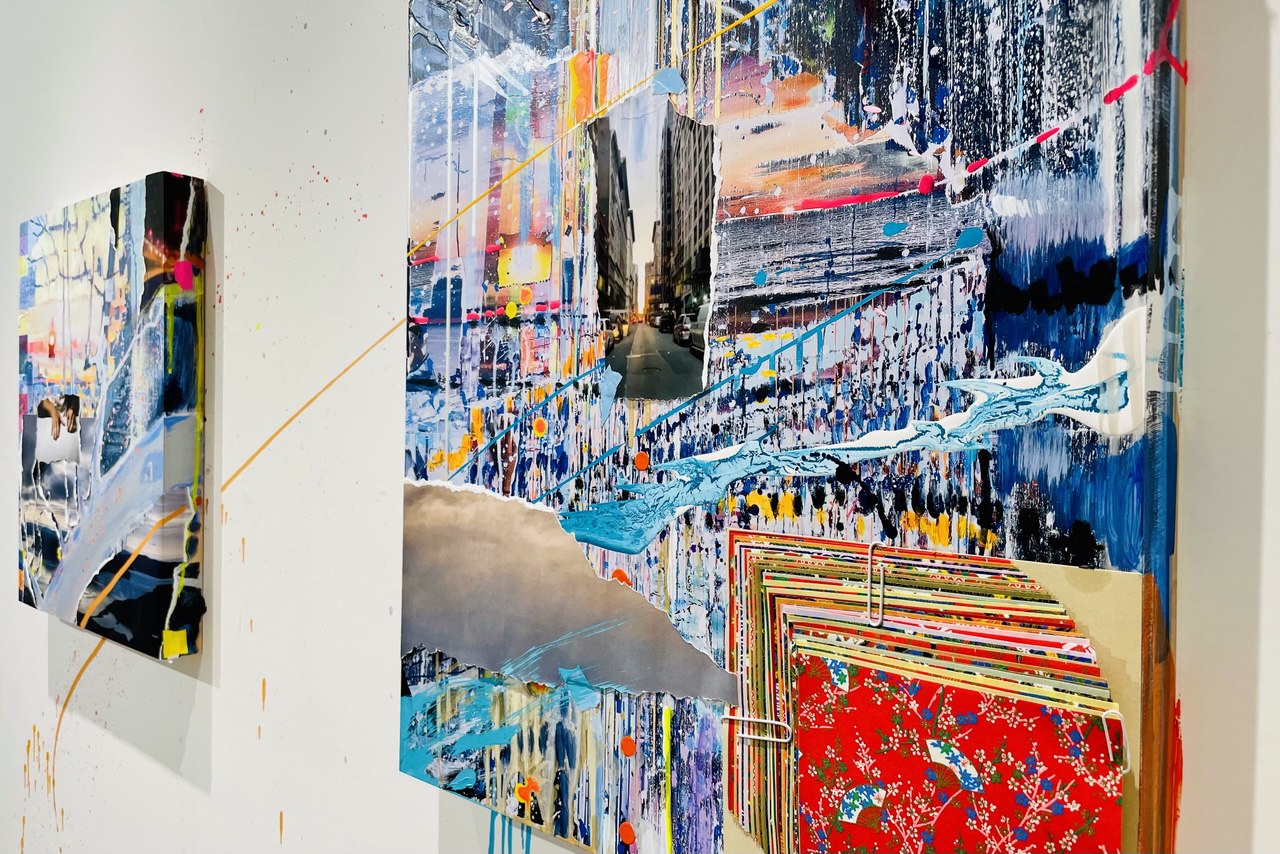
As an artist, I see the market as part of a broader ecosystem — it ensures circulation, visibility, and care for the works, but it cannot replace the conceptual and experiential dimensions of art.
City for VIP: Victoria Miro Gallery has a long history of representing visionary artists. How does your collaboration with the gallery shape your practice?
Sarah Sze:
Victoria Miro supports both conceptual rigor and material experimentation. The gallery is patient, collaborative, and encourages risk-taking. That trust allows me to explore ideas on a larger scale, whether through complex installations or experiments with new media.
Victoria Miro’s Venice presence is an extension of its global vision — connecting London, Los Angeles, and now Venice audiences to contemporary art in meaningful ways.
The VIP Experience
Collectors attending the opening were treated to a curated immersion: intimate walkthroughs, private discussions with the artist, and the chance to engage with Victoria Miro staff about exhibition context, acquisition opportunities, and upcoming projects.
Art professionals noted the precision of Sze’s installations — how every object, string, and light source contributes to a larger narrative. Champagne, quietly flowing from Ruinart sponsorships and local patronage, framed the conversations without overshadowing the art itself.
City for VIP: What advice do you give collectors engaging with contemporary installation art?
Sarah Sze:
Engage with the ideas first, and the objects second. Installation art isn’t only visual; it’s relational. Consider how the work lives in your collection, how it travels, and how it interacts with space and people. Think of acquisition as participation in a living system, not simply possession.
Editor’s Note
Victoria Miro’s Venice exhibition with Sarah Sze reaffirmed the gallery’s commitment to internationally influential, conceptually rigorous art. For collectors, the VIP opening was more than a preview — it was a lesson in perception, a dialogue across disciplines, and a glimpse into the mind of one of contemporary art’s most inventive voices.
Through Sze’s meticulous work, the exhibition reminded everyone present that contemporary art lives in ideas, relationships, and the shared space between artist and audience, not just in the market.