

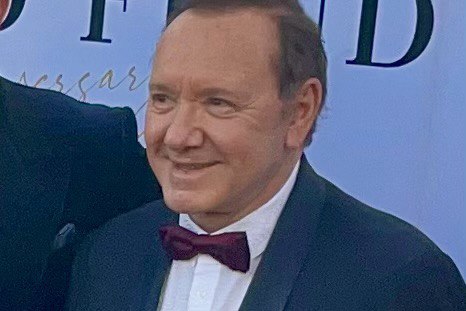
At the 2025 Cannes Film Festival, one of the most talked‑about moments in the industry’s social calendar came from a reflective conversation with Kevin Spacey Fowler — the American actor known for his compelling screen presence, layered performances, and complex career trajectory. Spacey’s recent appearance at Cannes, where he was honored at a VIP event alongside peers and film professionals, provided an opportunity for candid discussion about his work, his place in cinema and his vision for the future of the film industry.
From Stage to Screen: A Storied Career
Born July 26, 1959 in South Orange, New Jersey, Kevin Spacey developed an early passion for acting before training at The Juilliard School and beginning his professional work in theatre and film. Over a career spanning more than four decades, Spacey has proven his versatility across stage and screen, earning a remarkable array of major awards, including two Academy Awards, a BAFTA Award, a Golden Globe Award, a Tony Award, and two Laurence Olivier Awards — along with nominations for multiple Emmy Awards.
His rise to international prominence came in the 1990s with standout performances that became cinema touchstones:
-
Verbal Kint in The Usual Suspects (1995), winning the Academy Award for Best Supporting Actor.
-
Lester Burnham in American Beauty (1999), earning the Academy Award for Best Actor and critical acclaim for his portrayal of a suburban man in midlife crisis.
During the 2000s and beyond, Spacey appeared in a wide range of films, from thrillers such as Se7en (1995) to blockbusters like Superman Returns (2006), and showcased his directorial ambitions in films such as Albino Alligator(1996) and Beyond the Sea (2004).
In addition to his screen work, Spacey has been a celebrated presence on stage, earning a Tony Award for Lost in Yonkersand Laurence Olivier Awards for his performances in London’s West End. He also served as artistic director of London’s Old Vic Theatre (2004–2015), a tenure during which he championed repertory work and international theatre projects.
Cannes 2025: Returning to the Spotlight
Spacey’s 2025 Cannes appearance marked his first significant return to the festival circuit after an extended absence from major Hollywood premieres. Although he was not featured in the official Cannes Competition, he was honored on the sidelines of the festival by the Better World Fund, receiving an award for excellence in film and television at a gala event in Cannes that drew industry peers. Spacey expressed gratitude for the support of friends and colleagues and spoke about being “glad to be working,” emphasizing his renewed focus on creative work.
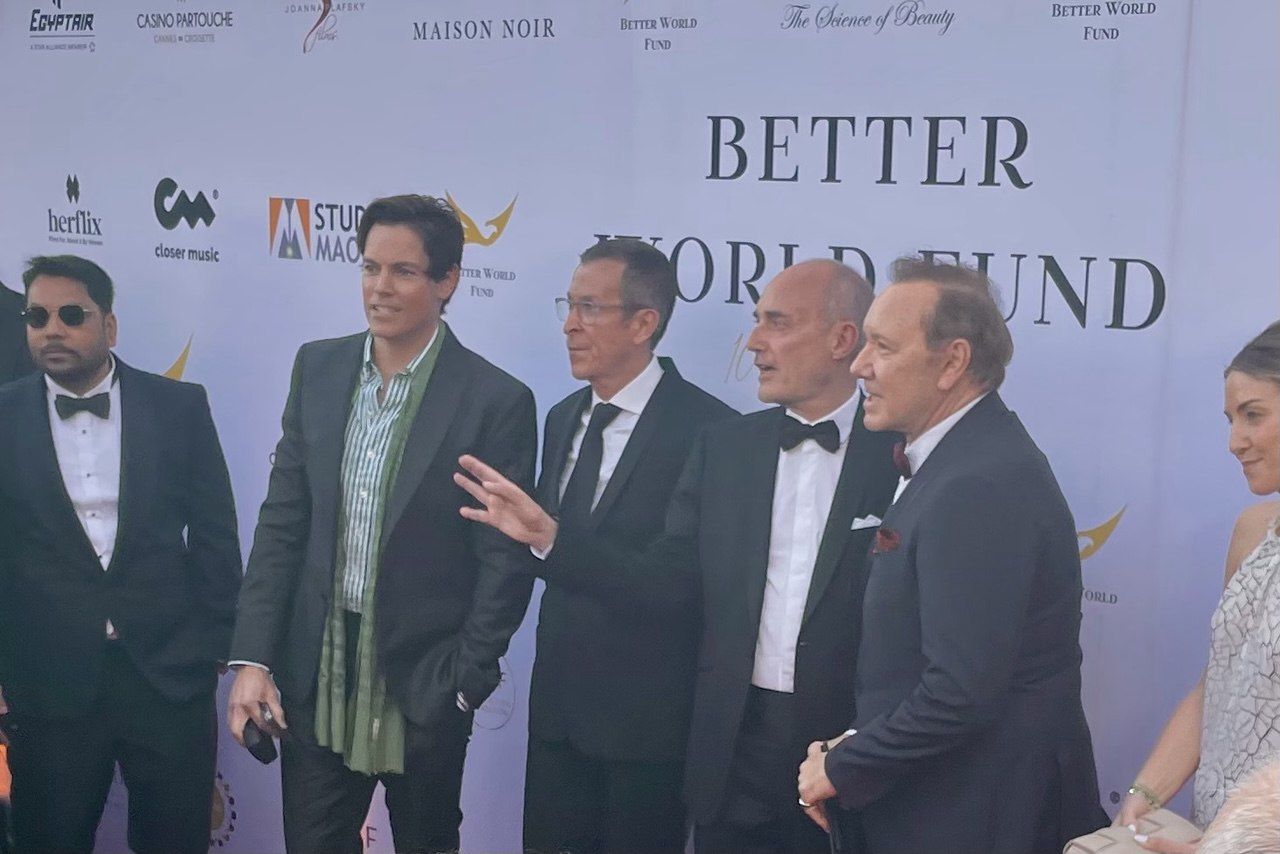
Since the mid‑2010s, Spacey’s public and professional life has undergone significant turbulence following multiple allegations of sexual misconduct that first surfaced in 2017. He denied wrongdoing, and after years of both civil and criminal legal processes, he has been acquitted or found not liable in several cases in the U.S. and the U.K. — developments he described as part of a long, challenging period of personal and professional reflection.
Recent Work: From Independent Films to Cannes Promotion
In recent years Spacey has returned to screen work, appearing in independent films and festival projects that have reintroduced him to audiences in varied roles:
-
The Man Who Drew God (2022) — an Italian drama marking a post‑controversy screen return.
-
Peter Five Eight (2024) — a neo‑noir thriller starring Spacey and released in the United States, which was shopped at Cannes’ Marché du Film.
-
The Contract (2024) — another genre feature in which he plays a supporting role.
Spacey is also involved in promoting The Awakening, a conspiracy action thriller being marketed at Cannes, underscoring his continued collaboration with international filmmakers and distributors.
Interview at Cannes: Vision for the Future of Film
During the Cannes event, Spacey shared his perspective on contemporary cinema and where he believes the industry is headed. Reflecting on the evolution of filmmaking, from traditional studio production to the digital and independent marketplace, he emphasized the enduring importance of story and character in engaging audiences worldwide.
“I’ve lived through eras where cinema was changing fast — from theatre and studio dominance to streaming, global co‑productions and festival circuits that champion independent voices,” Spacey said. For him, the future of film lies in diversity of storytelling and accessibility, where platforms large and small can coexist and serve different audiences with compelling narratives.
He underscored the value of film festivals, like Cannes, for spotlighting work that might otherwise go unseen in crowded digital markets. “Festivals still give films a moment in the sun — a chance for audiences, critics and industry to connect with bold, original work,” he explained, advocating for continued support of theatrical viewing alongside digital consumption.
Legacy and Ongoing Work
Spacey’s legacy in film and theatre is undeniable in terms of artistry and influence, with a body of work that spans iconic roles, directorial projects, and leadership in live theatre. He remains a two‑time Academy Award winner, Golden Globe winner, and stage honoree, whose career has influenced generations of actors and filmmakers.
Looking ahead, he expressed a commitment to creative fulfillment over simple commercial success. “I’m here to make work that matters — work that resonates, provokes, and connects,” he said. For Spacey, the future of cinema lies in risk‑taking and in storytellers who are willing to push boundaries while honoring the emotional richness at the heart of great film.