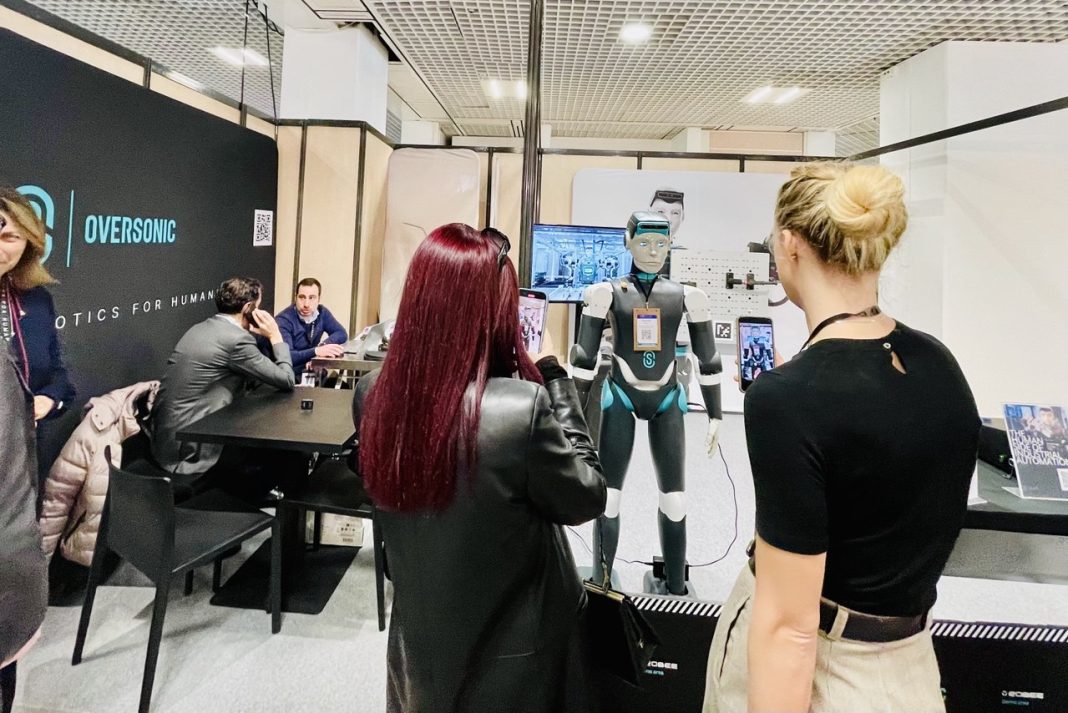


AI at the Heart of the Future Hospitality Experience
Hotel Le Negresco, Nice, France
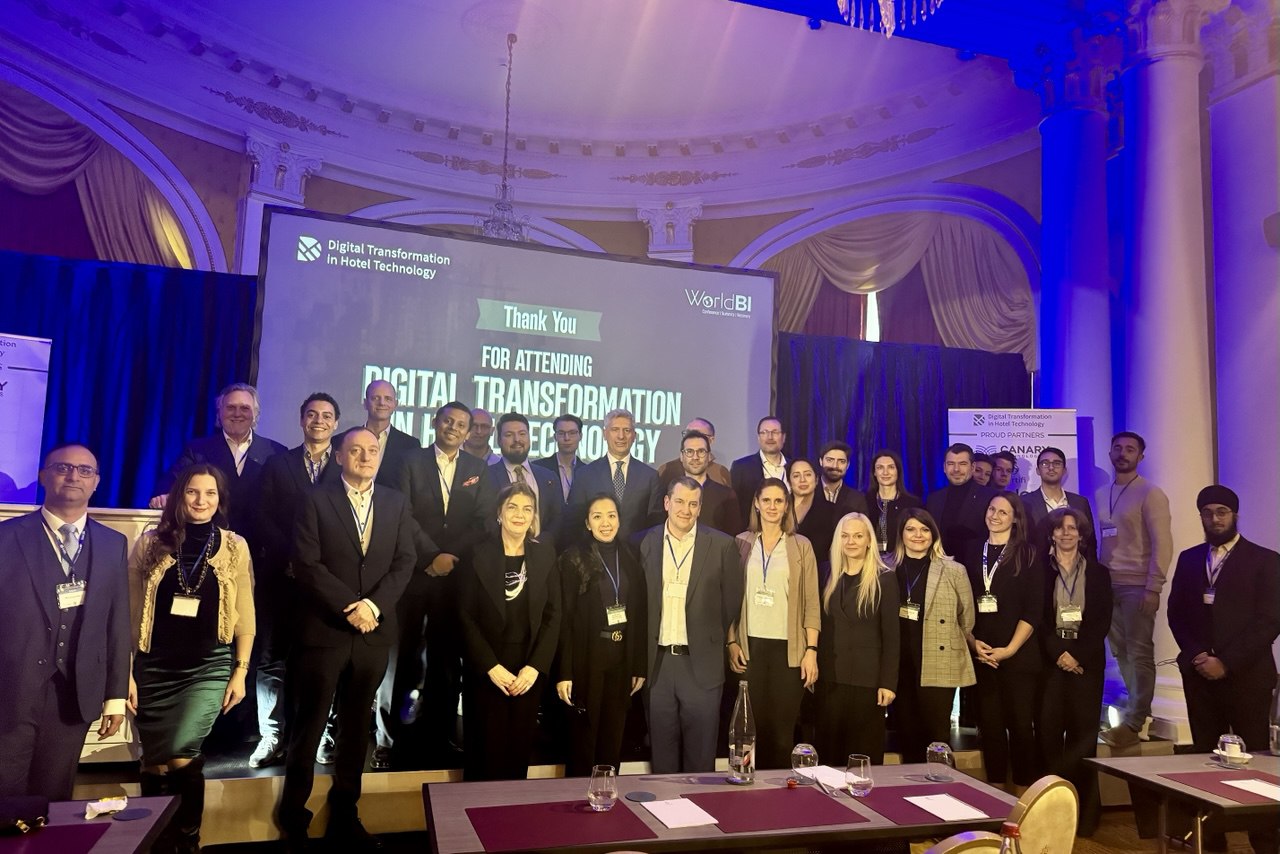
In 2025, the hospitality industry stands at a decisive turning point, driven by rapid advancements in artificial intelligence and digital innovation. This transformation was on full display during the Digital Transformation in Hotel Technology 2025 conference, hosted at the iconic Hotel Le Negresco in Nice—a venue symbolizing both tradition and bold reinvention. The event brought together hoteliers, technology experts, and industry leaders to explore the evolving relationship between AI and hotel operations, and to define what the “hotel of the future” must look like.
AI: From Trend to Operational Necessity
Just a few years ago, AI was discussed as a promising technology with distant potential. In 2025, it has become a core operational asset, reshaping nearly every hotel function.
At the event, experts emphasized that the hospitality sector is now moving beyond simple automation tools and adopting adaptive, learning-based systems capable of real-time decision-making. AI is no longer just an enhancement—it is a competitive differentiator.
Key areas highlighted include:
Predictive Guest Personalization
Hotels are increasingly using AI to anticipate guest needs before they are even expressed.
Through advanced data analytics, hotels can personalize:
-
room preferences (lighting, temperature, layout),
-
in-stay recommendations (activities, dining, wellness),
-
communication channels and timing,
-
loyalty programs and targeted offers.
This shift from reactive to proactive personalization was identified as one of the most significant value generators for hotels in 2025.
AI-Driven Revenue Management
Speakers at Le Negresco emphasized the growing importance of autonomous revenue management engines, which analyze thousands of variables—booking pace, competitor behavior, flight data, events, weather patterns—to optimize rates in real time.
Hotels using AI-driven pricing tools reported:
-
higher RevPAR,
-
reduced manual workload,
-
more accurate demand forecasting,
-
dynamic segmentation based on behavior patterns rather than demographics.
The message was clear: revenue management without AI is no longer sustainable.
Operational Efficiency and Labor Optimization
With ongoing labor shortages across Europe, AI is increasingly used to fill operational gaps while improving the employee experience.
Intelligent Workflow Automation
AI systems now streamline back-office and on-property operations, such as:
-
housekeeping scheduling,
-
predictive maintenance,
-
inventory management,
-
energy consumption monitoring.
Case studies presented during the conference showed up to a 30% improvement in operational efficiency after implementing intelligent automation tools.
Enhanced Safety and Risk Management
Hotel security is also benefiting from AI:
-
real-time surveillance analytics,
-
anomaly detection in guest behavior,
-
automated incident reporting,
-
compliance monitoring for hygiene, fire safety, and energy usage.
These technologies reduce risk while allowing staff to focus on service and guest engagement.
Guest Experience: AI Without Losing the Human Touch
A major theme at the conference was the balance between innovation and authentic hospitality.
AI tools such as voice-activated assistants, multilingual chatbots, and self-service kiosks enhance convenience—but speakers emphasized that technology must support, not replace, human warmth and emotion.
Hotel Le Negresco provided an exemplary backdrop for this discussion: a luxury palace combining heritage, artistry, and impeccable service. The event highlighted that the future of hospitality lies in AI-augmented human service, where employees are empowered by technology to offer deeper, more personalized interactions.
Sustainability Powered by Smart Technology
Environmental concerns were also central to the 2025 program. AI is now playing a significant role in helping hotels meet sustainability targets by:
-
optimizing energy usage based on occupancy patterns,
-
reducing waste through predictive consumption,
-
supporting ESG reporting through automated data collection.
Smart buildings and IoT-powered infrastructure were identified as essential components of the next generation of sustainable hotels.
Looking Ahead: The Hotel of 2030
The Digital Transformation in Hotel Technology 2025 conference concluded with a future-oriented panel discussion. Experts predicted that, by 2030, hotels will feature:
-
fully integrated AI ecosystems,
-
hyper-personalized guest journeys,
-
autonomous property management systems,
-
digital twins for operational simulation,
-
seamless biometric check-in,
-
carbon-neutral smart infrastructure.
But despite these advancements, attendees agreed on one key principle: the essence of hospitality remains human. AI will transform hotels, but it is the people—supported by intelligent technology—who will define truly exceptional guest experiences.
Conclusion
The 2025 edition of Digital Transformation in Hotel Technology at Hotel Le Negresco showcased a hospitality industry evolving at unprecedented speed. With AI now driving personalization, efficiency, revenue, sustainability, and safety, hotels are entering a new era—one where technology and tradition coexist to create smarter, more memorable guest experiences.
The message from Nice was clear:
AI is not the future of hospitality. It is the present—and the industry must embrace it to remain competitive.