

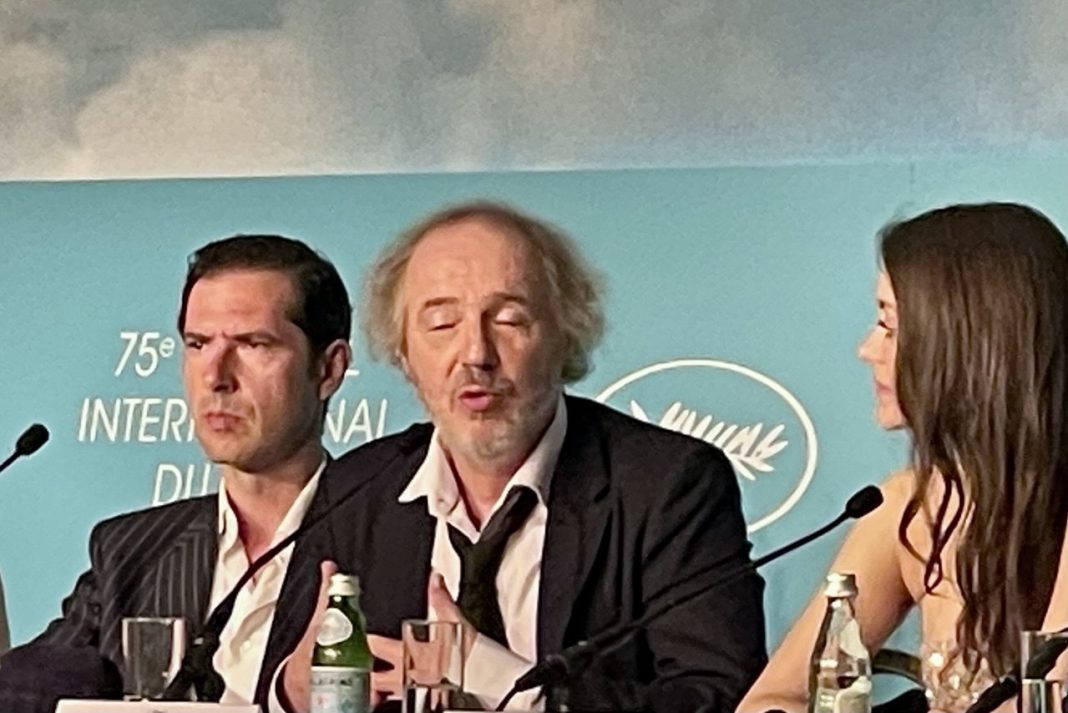
On an early golden afternoon in Cannes, the Croisette was humming with anticipation. Cameras snapped, tuxedos rushed up the Palais steps, and the unmistakable perfume of a world premiere filled the air. It was the debut of Arnaud Desplechin’s Brother and Sister—a tense, emotional drama that had already become one of the most discussed films of the festival.
Inside the Carlton terrace, calm but intense, sat Desplechin himself—animated, thoughtful, endlessly fascinated by human fragility. The film, co-written with Julie Peyr and Naila Guiguet, had taken years to shape. Now, with the cast assembled for interviews between photocalls, the director opened up about the story that had captivated Cannes.
A Film Born From Silence and Fury
“Brother and Sister is about the kind of pain no one wants to talk about,” Desplechin begins.
His hands draw invisible diagrams in the air, mapping the emotional topography of two siblings who have not spoken in decades.
“It is the silence that becomes a continent,” he says. “This film explores how an old wound becomes a geography of its own.”
The drama follows Alice, a celebrated actress, and Louis, a troubled poet, whose estrangement reopens when tragedy forces them back into each other’s orbit. The story unravels around grief, resentment, and the unfinished business that trails behind family ties.
The Cast Arrives — Intensity, Laughter, and the Cannes Pulse
As Desplechin speaks, Marion Cotillard, luminous and playful, joins the conversation with the natural ease of someone who has lived on red carpets half her life.
She smiles: “Arnaud asks you to go to the edge, but he’s also giving you a parachute. Alice is broken, but she hides her cracks behind elegance—and that complexity is a gift for any actor.”
Moments later, Melvil Poupaud, who plays Louis, slips into the seat beside her.
“We filmed the conflict as if we were dancing,” he says. “Sometimes you push closer, sometimes you pull away. The siblings fear each other as much as they love each other.”
The dynamic between Cotillard and Poupaud—warm, candid, full of private jokes—stands in deliberate contrast to their fictional relationship.
“That’s the secret irony,” Cotillard laughs. “On-screen, we are two storms. Off-screen, we’re sharing chocolate between takes.”
Writing With Three Minds
Desplechin makes sure to mention his co-writers.
“Julie Peyr understands emotional logic better than anyone,” he says. “Naila Guiguet brings precision—an understanding of contemporary rhythm and silence.”
Guiguet later joins us briefly and adds:
“We didn’t want blame. We wanted complexity. In families, nobody wins; everybody carries their own mythology.”
Cannes Responds — A Standing Ovation and a Tearful Cast
At the Palais premiere, the audience rose to its feet for nearly nine minutes.
Cotillard, visibly moved, wiped tears as Desplechin hugged her. Poupaud stood still for a moment, absorbing the roar of applause.
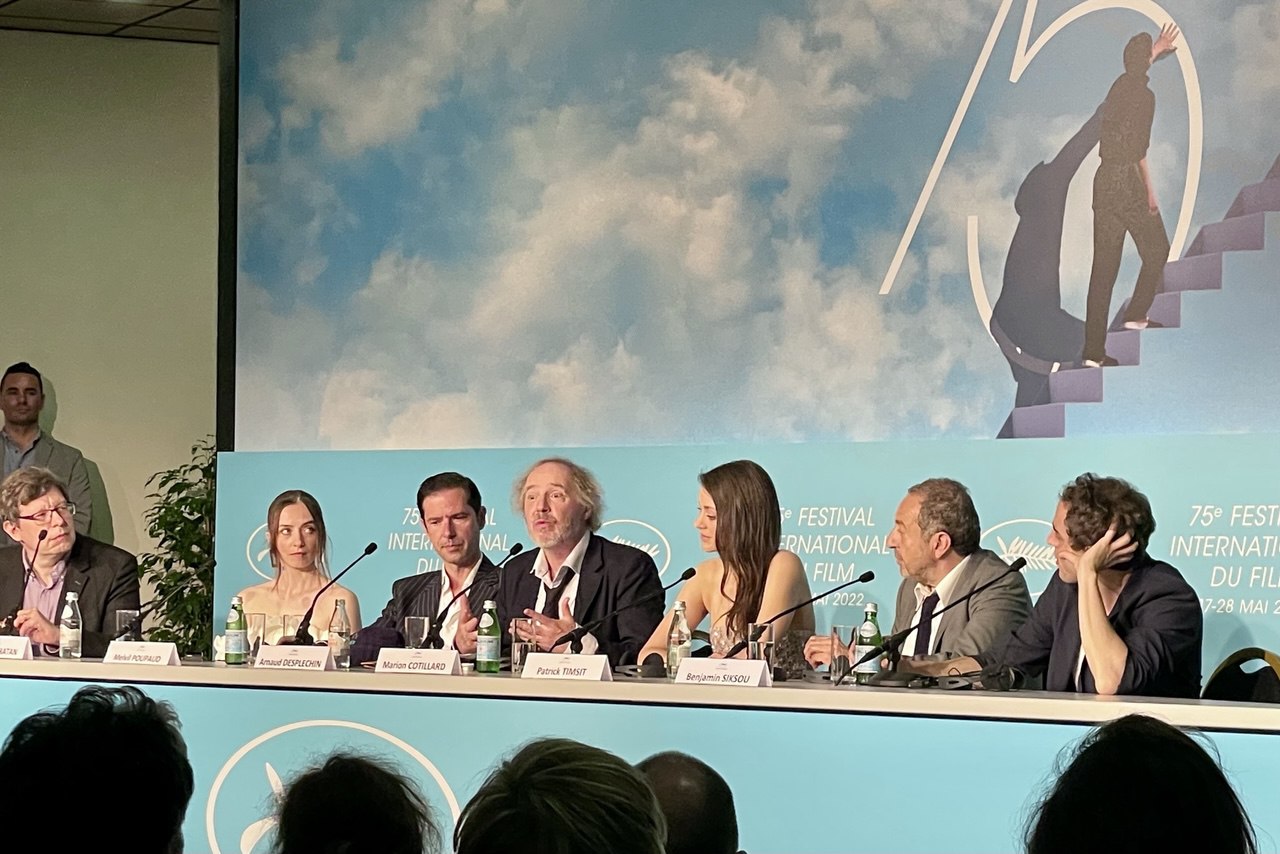
“It’s surreal,” he said afterward during the after-screening toast. “You make a film in little pieces—then all of Cannes feels it at once.”
Where to Meet the Filmmakers — The Festival’s Hidden Corners
For those lucky enough to have Cannes VIP or Marché du Film access, Desplechin and the Brother and Sister team appeared at:
The Majestic Barrière terrace — the unofficial networking hub after 11 p.m.
The Quinzaine garden — where Cotillard surprised fans with a quiet cigarette break.
The Dior x Cannes dinner — a rare closed-door event where the film’s themes sparked deep conversation among collectors and producers.
The official actors’ lounge — where Poupaud, ever the gentleman, chatted with young filmmakers about poetry.
“Meeting audiences is part of the journey,” Desplechin says. “A film doesn’t end when the credits roll—it ends when people speak to you about it.”
Conclusion: A Film About the Wounds That Shape Us
Brother and Sister is not merely a film screened at Cannes—it is a mirror.
A tender, painful exploration of the fractures within families, brought to life by a master director and a cast unafraid of emotional risk.
“Cinema,” Desplechin concludes, “is the only art where you can stare into someone’s soul without being impolite.”
And on that warm Cannes night in 2022, it felt like all of us were doing exactly that.