
Every December, Miami becomes the beating pulse of the global art world. For a few days, the VIP lounges and collector salons of Art Basel Miami Beach transform into arenas where aesthetic passion and financial strategy converge in a unique, high‑stakes dialogue.
At the centre of this annual spectacle are two very different types of buyers — the appreciative collector and the art investor/flipper. Though both walk the same galleries, attend the same preview events, and pass through the same collector lounges, their motivations, strategies, and outcomes can be worlds apart.
Appreciative Collector vs. Art Investor
The Appreciative Collector
For true art lovers, collecting is intimate. It’s about emotional resonance. Many collectors wander into David Zwirner, Hauser & Wirth or White Cube not with spreadsheets, but with curiosity and feeling. A collector might see an Alice Neel for $3.3 million or Josef Albers works priced in the millions and feel compelled by their legacy, cultural weight, or personal connection rather than by forecasted profit. These buyers focus on long‑term personal satisfaction, legacy building, and meaningful pieces they expect to live with for decades.
The Art Investor / Flipper
On the other side are buyers eyeing art as a financial asset — closely watching auction results and price fluctuations to identify works to resell for profit. At Art Basel Miami Beach 2025, galleries reported sales of Warhol, Pepe etc., some reaching as high as $700,000–$800,000 for blue‑chip pieces, and reports circulated of Picasso offerings at around $30 million.
Investor‑driven buyers track market trends and look for works with appreciation potential — often for secondary market sales, or for quick flips following institutional acquisitions or high profile exhibitions.
Inside the VIP Lounge — Where Collectors Meet
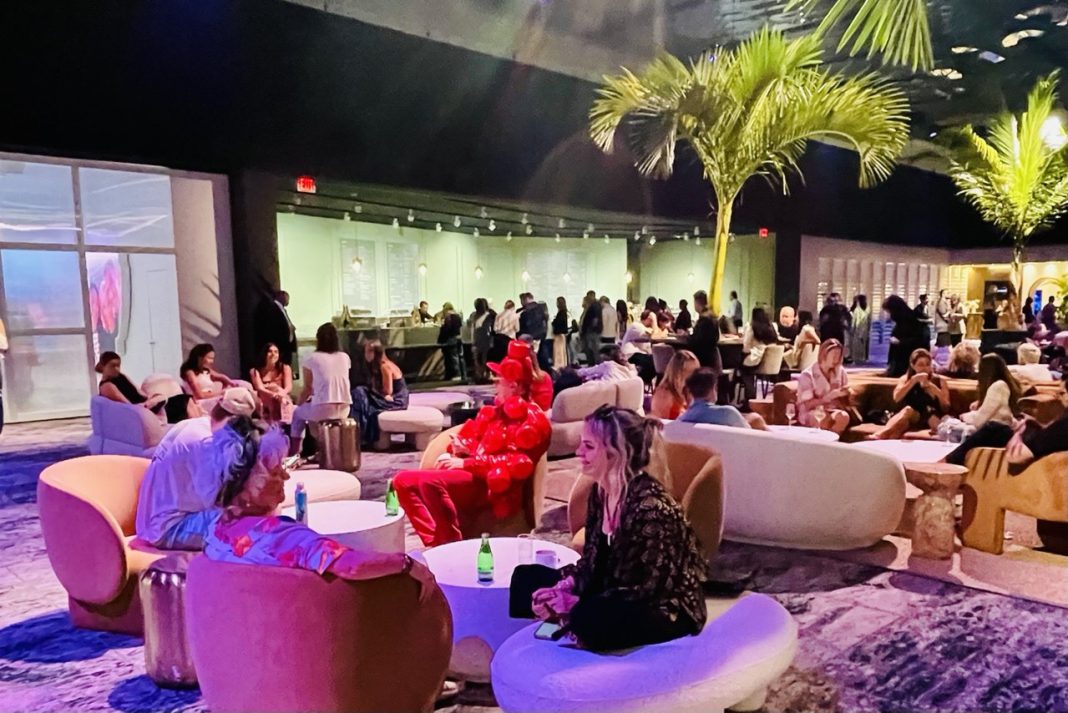
At the Collectors’ Lounge — previously branded as “VIP” access — seasoned collectors and institutional buyers linger over champagne, networking and comparing notes. Art Basel has even restructured its VIP program into what it now calls Collector & Institutional Relations to reflect the fair’s strategic focus on serious buyers and relationships, rather than simple glamour.
Here, the conversation differs markedly between the two camps:
-
Appreciators discuss artist intent, emotional depth, and cultural context.
-
Investors analyze price histories, institutional interest, auction parallels, and liquidity.
Both groups respect one another, but it’s the shared space of the collector lounge where the art world’s economy truly pulses.
Top Galleries Driving Sales at Art Basel Miami 2025
While the full gallery list is extensive, the following standout galleries dominated VIP sales and collector interest in 2025:
-
David Zwirner — Major sales including Gerhard Richter and Alice Neel classics.
-
Hauser & Wirth — Sold significant works from George Condo, Rashid Johnson, and Louise Bourgeois.
-
White Cube — Strong results with Georg Baselitz and Michael Armitage.
-
Pace Gallery — High‑end placements like Sam Gilliam pieces.
-
Lehmann Maupin — Blue‑chip contemporary like Do Ho Suh.
Across the fair, works ranged from $115,000 photographs to multi‑million‑dollar paintings — showing the full spectrum of price points that attract different types of buyers.
The Collector Profiles Making Waves
Art Basel doesn’t publish a formal list of top individual buyers, but from industry commentary and market reports, the following types of figures repeatedly surfaced in VIP spaces in Miami and the Basel circuit worldwide:
-
Institutional Collectors — Museums and cultural foundations expanding major holdings.
-
Blue‑Chip Private Collectors — Owners of established 20th/21st‑century art legacies.
-
Family Office Art Directors — Strategically balancing aesthetic and portfolio value.
-
Global Tech Entrepreneurs — New wealth entering contemporary markets.
-
Legacy European Collectors — Collecting across generations for cultural impact.
-
New Emerging Collectors — Younger buyers focusing on accessible blue‑chip.
-
Middle Eastern Patrons — Expanding acquisitions in global contemporary art.
-
Asian Mega‑Collectors — Increasing presence in Western art fairs.
-
Latin American Influencers — Strong buyers of modern and socially conscious work.
-
Museum Trustees / Curators with Buying Power — Institutional insight plus acquisition authority.
While specific names aren’t always disclosed for privacy, the mix above reflects the geographically diverse elite that shaped the Fair’s buyer engagement in 2025.
Pieces That Defined 2025 — And Why They Sold
From Gerhard Richter’s blue‑chip offerings to rare Andy Warhol pieces and mini masterpieces like Frida Kahlo’s “Autorretrato en Miniatura” listed at $15 million, Miami’s art fair showcased works that command attention from both emotional collectors and strategic investors.
Smaller works such as Josef Albers’s Homage to the Square and Ruth Asawa sculptures (priced in the mid‑six figures) gave new collectors access points, while larger blue‑chip sales pushed the fair’s headline prices and set benchmarks for investment trends.
Storytelling: A Night in the VIP Lounge
Picture this: it’s opening night of Art Basel Miami Beach. In the climate‑controlled Collector Lounge — where dedicated VIP previews are still prized — seasoned buyers sip Champagne as they dissect the day’s sales. Museums and major private collections have already secured works by mid‑century masters. Next to them, a younger collector talks passionately about acquiring a Rashid Johnson canvas, not because it will flip, but because it speaks to a new cultural narrative.
Across the room, a private equity buyer discusses liquidity scenarios with a gallery director, already planning secondary market placement strategies.
This contrast — feeling vs. forecasting — is the heartbeat of contemporary art collecting today. And at Art Basel Miami Beach 2025, that rhythm was unmistakable.
Final Perspective
The distinction between owning art for appreciation and owning art for investment is not a divide — it’s a spectrum. The most successful galleries, collectors, and curators don’t see one as better than the other. They see both as complementary forces that sustain the art ecosystem.
In Miami, passionate collectors find meaning in brushstrokes and conceptual layers. Strategic investors find value in scarcity, legacy, and liquidity. And where these worlds intersect — in VIP lounges, private dinners, and back‑room gallery talks — the global art market finds its most vibrant life.