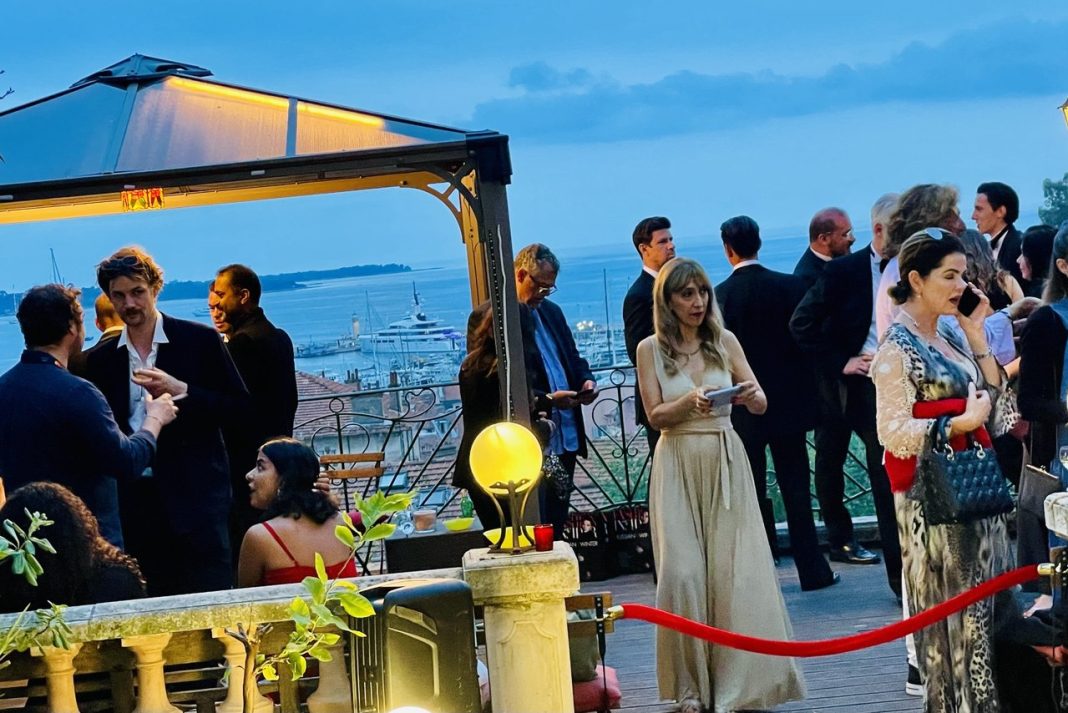

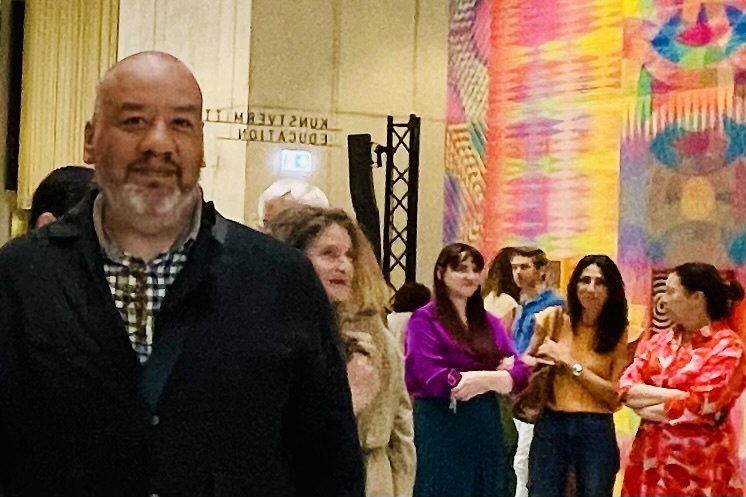
Jeffrey Gibson moves through the contemporary art world with a presence that is both radiant and grounded. A painter and sculptor of Mississippi Choctaw and Cherokee heritage, Gibson is known for works that pulse with color, text, and rhythm — compositions that draw from Indigenous traditions while speaking fluently to global contemporary culture.
His exhibitions are not simply openings; they are gatherings — moments where art becomes dialogue, and where audiences are invited not only to look, but to participate.
City for VIP: Jeffrey, your work feels celebratory, yet deeply layered. Where does this balance come from?
Jeffrey Gibson:
I think it comes from lived experience. Joy and resistance often exist together. In my work, color is not decorative — it’s declarative. It carries history, movement, and voice. I’m interested in how abstraction can hold very real stories about identity, survival, and community.
I want people to feel welcomed by the work, and then slowly realize that there’s more beneath the surface.
From Heritage to a Global Language
Gibson’s artistic practice spans painting, sculpture, textiles, beadwork, and installation. Drawing from Indigenous craftsmanship, pop culture, music, and modernist abstraction, his works challenge fixed narratives about what contemporary art — and Indigenous art — can be.
Rather than separating tradition from modernity, Gibson fuses them. His art speaks across borders, resonating with audiences in Europe, the United States, and beyond.
City for VIP: You often appear personally at exhibition openings. Why is that important to you?
Jeffrey Gibson:
Because art is relational. An opening is not just about the work on the wall — it’s about exchange. Conversations with curators, collectors, students, and people who may be encountering my work for the first time are essential. These moments shape how the work lives in the world.
Meeting Jeffrey Gibson — Zurich and Beyond
For collectors, curators, and art patrons, Zurich has become one of the key European cities where Jeffrey Gibson’s work and presence can be experienced directly.
During exhibition openings at Kunsthaus Zürich, Gibson often attends preview events, curator-led walkthroughs, and invitation-only receptions, where he engages openly with guests. These moments offer rare insight into his creative process and conceptual thinking.
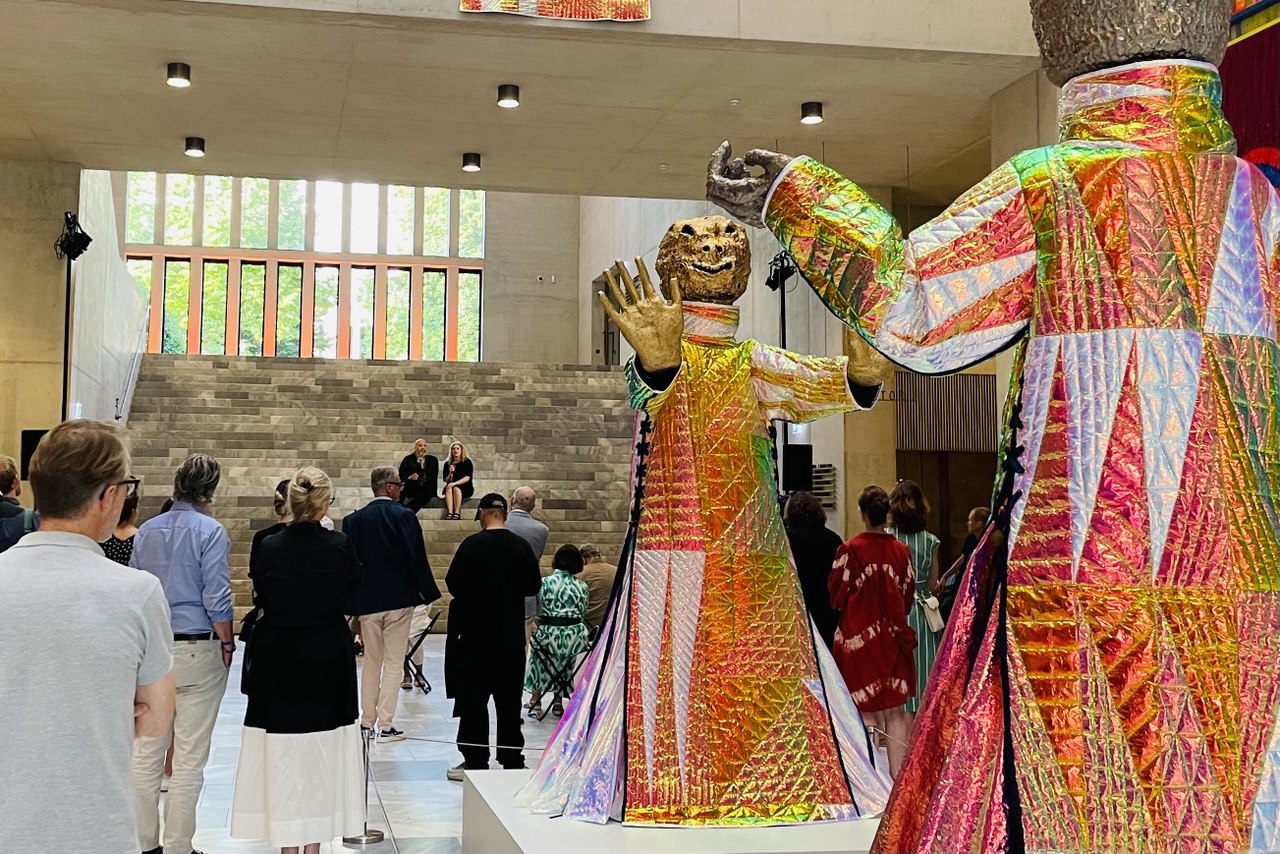
Similarly, during Zurich Art Week, the city transforms into a cultural hub — bringing together museums, galleries, collectors, and international visitors. Gibson’s participation in talks, exhibition openings, and affiliated events creates natural opportunities for personal encounters within a refined, professional setting.
These environments — structured yet social — are where meaningful connections are made: between artist and audience, artwork and collector.
City for VIP: How do you see the role of art today?
Jeffrey Gibson:
Art creates space — especially for voices that have historically been marginalized. It can be celebratory, confrontational, or quiet, but it should always be honest. I don’t believe art has to explain everything. It needs to invite people in and let them find their own relationship to it.
Beyond the Opening Night
While opening events offer visibility, Gibson’s work continues to resonate long after the evening ends. His pieces live in museums and private collections worldwide, continuing conversations about representation, belonging, and cultural memory.
For those who encounter him in Zurich — whether at Kunsthaus Zürich, during Zurich Art Week, or at related cultural gatherings — the experience is often marked by openness and generosity. Gibson does not position himself above the conversation; he steps into it.
Editor’s Note
Jeffrey Gibson represents a generation of artists redefining what contemporary art can carry — history without nostalgia, identity without limitation, beauty with purpose. Meeting him in person, particularly during international openings, reveals the same qualities found in his work: clarity, warmth, and a powerful sense of presence.
In cities like Zurich, where tradition and innovation meet, his voice feels not only relevant, but essential.