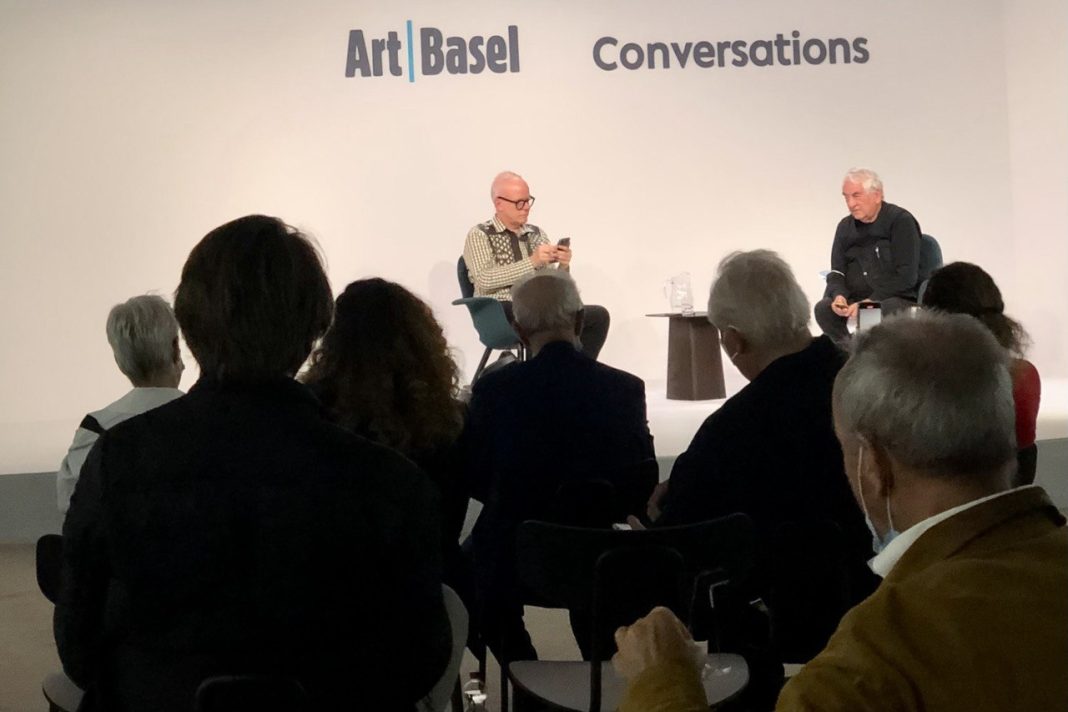

In the hushed elegance of the Art Basel Collectors’ Lounge, time itself seemed to slow. Crystal-clear glasses of champagne shimmered under soft lighting, and the air carried the quiet hum of conversations among the world’s most discerning collectors. But on this afternoon, a particular presence captured every eye: Audemars Piguet, the legendary Swiss watchmaker whose creations blend technical mastery with sculptural beauty.
For a select circle of VIP guests, this was not simply an exhibition—it was a privileged audience with the makers of horological history.
The Art of Horology
The lounge was curated like a private atelier. Tables were set with limited-edition Royal Oaks, Code 11.59 pieces, and other complications so rare they seemed almost unreal. Each watch had a story, whispered by the master watchmakers themselves.
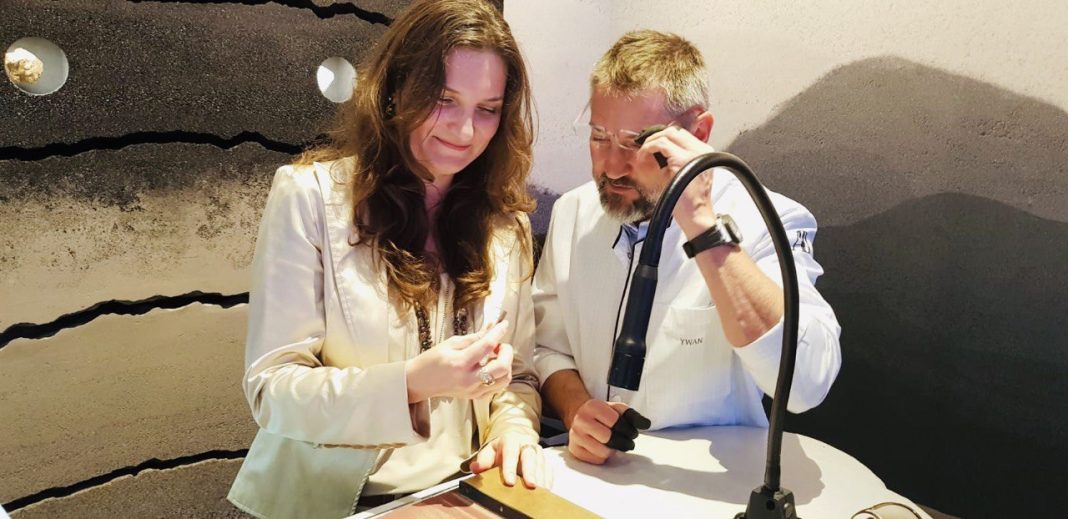
Guests leaned closer as a horologist from Le Brassus carefully demonstrated the intricate inner workings of a skeletonized movement. Gears rotated with hypnotic precision, jewels caught the light, and every pivot and spring told a tale of patience, innovation, and craftsmanship.
One could see the reverence in the eyes of the collectors—some of whom had spent decades building private collections of watches, vintage timepieces, and contemporary horological masterpieces.
VIP Conversations Beyond Watches
The room was filled with familiar names from the world of luxury investment: private bankers who manage multi-million-dollar portfolios, CEOs who travel the globe in search of the rarest pieces, and art collectors who understand the subtle overlap between high-end timepieces and fine art.
Conversations flowed naturally from watchmaking to investment potential. Which limited edition could become a future classic? How did the craftsmanship of Audemars Piguet reflect trends in contemporary design, just as a modern sculpture might? It was a rare convergence of art, luxury, and market insight.
Collectors shared stories of acquisitions at auctions in Geneva and Hong Kong.
A few admitted to owning several of the Royal Oak Perpetual Calendars, while quietly comparing notes on the newest Code 11.59 chronographs.
The watchmaker nodded patiently, answering detailed technical questions, revealing insights not available to the public.
The Experience of Meeting a Master
For those fortunate enough to speak one-on-one with the Audemars Piguet watchmaker, the encounter felt almost like a masterclass in elegance. He explained not just the mechanics, but the philosophy behind each creation: how every screw, every bevel, every polish matters in creating something timeless.
The experience went beyond material value. For VIP guests, it was a reminder of why watches remain both collectible art and investment. The skill, heritage, and patience imbued in each timepiece resonated as strongly as the finest artwork displayed at Art Basel itself.
The Horologist’s Table: A Journey Through Precision Materials
As the AP watchmaker pulled back the caseback of a Royal Oak, he explained the significance of the materials within — each selected for performance, durability, and aesthetic elegance.
1. Stainless Steel
-
A classic in the Royal Oak line, prized for robustness and a timeless brushed finish.
-
Example: A 41 mm Royal Oak in stainless steel can trade on the secondary market for approximately €30,700 for certain editions.
2. Titanium
-
Lighter than steel but equally strong — ideal for sportier and concept models.
-
Its light weight makes it comfortable for long wear, especially in larger cases.
3. Gold (Rose / Yellow / White)
-
Precious and rich, used in more limited or commemorative models.
-
A Royal Oak Chronograph in rose gold is often priced in the € 30,000s to € 40,000s on resale.
4. Ceramic
-
Highly scratch-resistant and sleek — often used in bezels or full-case models.
-
According to expert sources, a ceramic Royal Oak Offshore Chronograph may be listed around €86,600 due to its complexity and rarity.
5. Forged Carbon / Carbon
-
Ultra-light and rugged; used for concept or sports models.
-
Its complex manufacturing process makes these pieces highly coveted among aficionados.
6. Precious Metals & Gems
-
Platinum, white gold, or gem-set versions represent the top luxury tier.
-
Example: A diamond-set Royal Oak in 18K white gold has appeared in auction catalogs with estimates around CHF 100,000–150,000 (~€98,000–147,000).
A Fusion of Worlds: Art Collecting and Horology
By the time the lounge began to empty, there was a lingering sense of awe. Art collectors and watch enthusiasts had discovered an unexpected harmony: that watchmaking, like contemporary art, reflects human creativity, vision, and ambition.
As guests departed, they carried more than just catalogs or gift bags. They carried insights, inspiration, and perhaps, the thrill of planning the next acquisition—whether a painting, a sculpture, or a masterpiece of mechanical ingenuity.
In the end, the Art Basel Collectors’ Lounge had done more than host VIPs. It had created a rare moment where art, investment, and horological genius converged, leaving everyone present a little closer to perfection.