
Julie Gayet embodies a rare balance of artistic independence, cultural engagement, and contemporary relevance. A French actress and film producer, she has built a career defined by curiosity and conviction — both on screen and behind the camera. Known internationally not only for her artistic work but also as the wife of former President of France François Hollande, Gayet has carved out her own space within French and European cinema.
Meeting her during WAIFF (World AI Film Festival) reveals a woman deeply engaged with the future of film, technology, and storytelling.
A Career Shaped by Choice
Julie Gayet’s career spans decades of work in French auteur cinema, television, and international co-productions. Rather than pursuing mainstream celebrity alone, she has consistently chosen projects driven by strong narratives, social relevance, and creative integrity.
As an actress, she is known for her emotional subtlety and intelligence on screen. As a producer, she has actively supported films that give voice to underrepresented perspectives, particularly through her production company, where she champions independent cinema and female-driven stories.
Producer, Advocate, Cultural Figure
Beyond acting, Gayet’s role as a producer reflects her belief that cinema is a cultural responsibility. She supports projects that explore:
-
historical memory
-
social justice
-
women’s voices in cinema
-
European film collaboration
Her work positions her as both a creative and a cultural advocate — someone who understands the power of storytelling beyond entertainment.
Family and Public Life
Julie Gayet’s marriage to François Hollande, former President of France, places her within a unique intersection of cultural and public life. Yet she has maintained a clear distinction between political visibility and artistic identity.
Rather than leveraging public status, Gayet has remained focused on her work, using visibility to support culture, film education, and creative dialogue — particularly in international contexts.
Meeting Julie Gayet at WAIFF
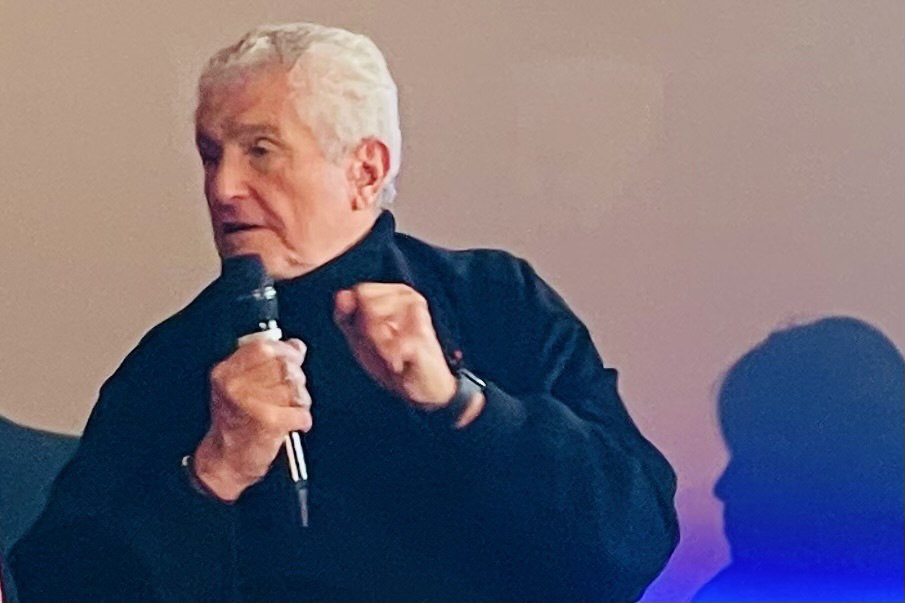
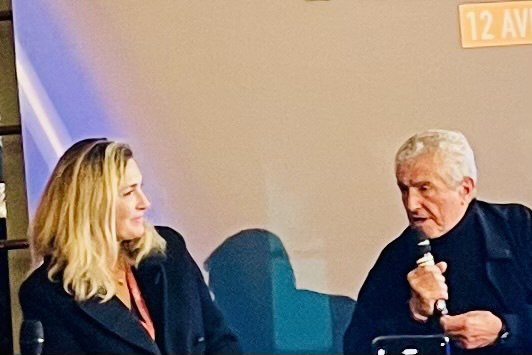
At WAIFF, Julie Gayet appeared not as a ceremonial guest, but as an engaged participant. She attended:
-
VIP screenings and panel discussions
-
industry roundtables on AI and cinema
-
private receptions and networking events
For professionals and guests, meeting Julie Gayet was most natural during:
-
post-screening conversations
-
curated VIP lounges
-
producer and filmmaker networking sessions
She is known for being approachable, thoughtful, and genuinely interested in dialogue — particularly around innovation and storytelling.
Julie Gayet on AI and the Film Industry
Gayet approaches Artificial Intelligence with nuance and curiosity. She sees AI as:
-
a tool for expanding creative processes
-
a resource for independent filmmakers
-
a catalyst for rethinking production models
However, she remains clear about boundaries.
“AI can support creation,” she has noted in discussion, “but it must never replace human sensitivity, ethics, or imagination.”
For Gayet, AI’s role lies in assistance — not authorship. She emphasizes the importance of protecting artistic identity while embracing technological evolution.
Current and Future Projects
Julie Gayet continues to develop projects as both actress and producer, with a focus on:
-
European co-productions
-
historically and socially engaged films
-
stories led by complex female characters
Her presence at WAIFF signals her openness to new formats and technologies, particularly when they serve narrative depth rather than spectacle.
Why Julie Gayet Matters Today
In a rapidly changing film landscape, Julie Gayet represents continuity with intelligence — an artist who respects tradition while engaging with innovation. Her voice adds balance to conversations about AI, ethics, and authorship, grounding them in lived creative experience.
Editor’s Note
Julie Gayet’s appearance at WAIFF highlighted her role not only as an actress or producer, but as a cultural thinker. In conversations about cinema’s future, her perspective reminds us that technology must serve storytelling — not replace it.
At WAIFF, she stood as a bridge between heritage and innovation — a role she continues to inhabit with grace and purpose.