
By City for VIP – Art, Design & Global Influence
There are cities that grow, and there are cities that are imagined before they are built. Craig Robins belongs to the rare group of visionaries who do not simply develop real estate — they shape cultural ecosystems. Long before Miami became a global hub for art collectors, tech founders, and international capital, Robins understood that the future of cities would belong to places where creativity, innovation, and lifestyle intersect.
That belief gave birth to the Miami Design District, today one of the most influential creative neighborhoods in the world and an essential destination during Art Basel Miami Beach.
From Real Estate to Cultural Architecture
Craig Robins never approached development as a purely commercial exercise. From the very beginning, his ambition went beyond luxury retail or rising property values. His goal was to create a living cultural district — a place where architecture, contemporary art, design, fashion, and ideas could coexist naturally.
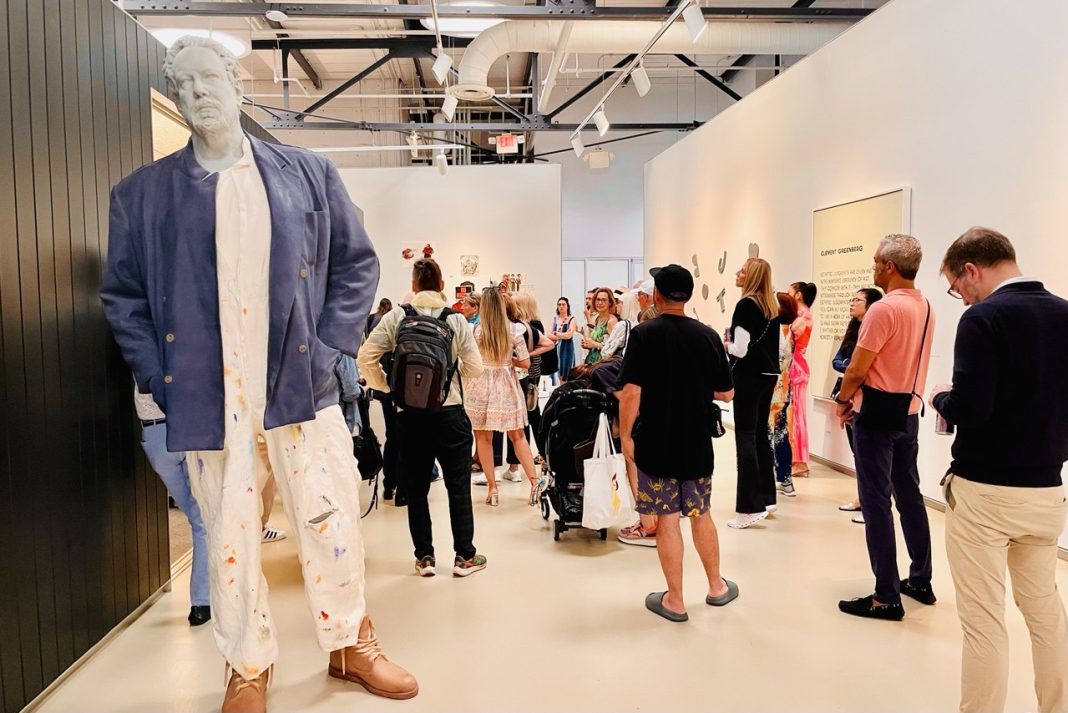
Art was never an afterthought. In the Design District, it became part of the urban fabric: public installations, museum-level architecture, experimental spaces, and collaborations with world-renowned artists and architects. Robins treated art as infrastructure, believing that creativity should be experienced daily, not hidden behind walls.
A Collector Who Builds Platforms, Not Just Collections
Robins is widely known as an art lover and collector, but his role extends far beyond ownership. He has consistently acted as a patron and enabler, giving artists, designers, and architects room to experiment at a scale rarely possible in urban environments.
Rather than asking what would sell, he asked what would matter in ten, twenty, thirty years. This long-term mindset is what transformed the Design District into a magnet for global tastemakers — from museum directors and collectors to fashion leaders and cultural institutions.
Innovation as a Natural Extension of Culture
As the Design District evolved, it began attracting not only the art world but also global innovators. Entrepreneurs, tech founders, and forward-thinking investors found something rare in Miami: a place where business conversations happened alongside art openings, design previews, and informal cultural gatherings.
Robins has long believed that innovation thrives where disciplines overlap. That philosophy naturally aligned him with some of the world’s most disruptive thinkers — including Elon Musk. Their relationship is rooted not in traditional deal-making, but in shared conversations about the future: mobility, energy, technology, cities, and how innovation integrates into everyday life.
Miami, and particularly the Design District, became a real-world laboratory for these ideas — a city where the future could be tested without the constraints of older urban models.
Art Basel Miami Beach: When the World Converges
Each December, during Art Basel Miami Beach, the Design District transforms into one of the most powerful informal meeting points in the global art and business calendar. While the fair itself takes place at the Convention Center, many of the most important conversations happen elsewhere — at private previews, dinners, and receptions across the Design District.
Collectors, artists, CEOs, tech founders, and cultural leaders cross paths organically. Deals are discussed quietly. Collaborations are born over champagne. For Robins, this is exactly what he envisioned: a place where networks form naturally, driven by shared curiosity rather than rigid agendas.
Luxury with Meaning
Under Robins’ leadership, the Design District redefined luxury. It is not about excess, but about curation, craftsmanship, and intention. Every architectural decision, every brand partnership, every public artwork reflects a deeper respect for originality and quality.
This approach has attracted the world’s most prestigious luxury houses, but also experimental designers and independent creators — maintaining a balance that keeps the district authentic rather than commercialized.
Miami, Reimagined
As Miami emerged as a new global hub for technology, finance, and entrepreneurship, the Design District stood ready. Robins had already built the cultural foundation that modern cities now scramble to create. Quality of life, international connectivity, creative freedom — all were already embedded in the district’s DNA.
Today, the Miami Design District is not just a destination. It is a statement about how cities can evolve when art, innovation, and business are aligned.
The Vision Ahead
Craig Robins continues to think in decades, not trends. Sustainability, smart urban living, deeper integration of technology, and community-driven development are at the core of what comes next. Yet the philosophy remains unchanged: creativity first, authenticity always.
In a world chasing speed, Robins chose vision.
And in doing so, he didn’t just change a neighborhood — he helped redefine Miami’s place on the global cultural map.
City for VIP — where art, influence, and the future converge.